
Welcome to Volnyn
Sign in or create an account to continue
Continue with Google
or
Sign in with email
New here? Create an account
By continuing, you agree to our Terms of Service
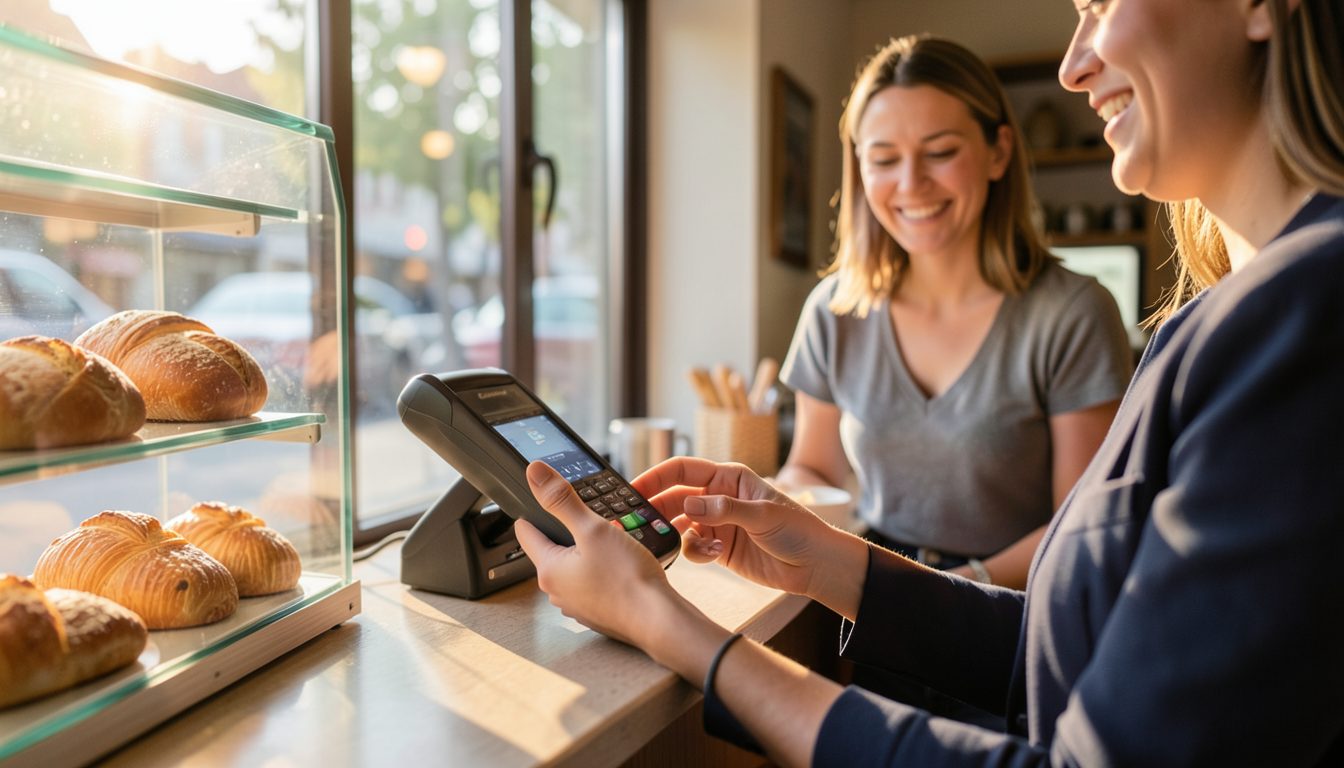
A customer in another country fills their cart, reaches checkout and leaves. Often the reason is simple: they did not see a way to pay that they use or trust. Accepting payments internationally is less about adding every option and more about offering the right few for the markets you serve, and understanding the costs and risks that come with them.
Visa and Mastercard are accepted in most of the world, and many online stores start with cards plus a digital wallet. But in a number of markets, cards are not the main way people pay online. Some buyers do not have a credit card, prefer to pay straight from their bank account, or simply trust a familiar local method more than a foreign checkout form.
Popular methods differ a lot by country. A few well-known examples:
You do not need all of these. Look at where your international visitors and orders come from, and add the one or two methods that matter most in your largest markets. Many payment processors let you switch on local methods from a single account, so check what yours already supports before signing up for anything new.
International payments often cost more than domestic ones. Watch for:
Read your processor's pricing page for each of these, then work out the real cost of a typical international order compared with a domestic one. Say you sell a $100 product: a few extra dollars in fees per order may be fine. On a $10 product with thin margins, the same fees might wipe out your profit.
In the European Economic Area and the UK, rules known as Strong Customer Authentication require many online card payments to be confirmed with an extra step, often through the customer's banking app. This is usually handled by 3D Secure, which most modern payment processors support. If your checkout does not support it, some payments from European cards may be declined.
Fraud risk tends to be higher on cross-border orders, especially for goods that are easy to resell. Sensible precautions include:
None of these alone proves fraud. Plenty of honest customers send gifts abroad or use a forwarding address. Treat them as signals to review, not reasons to cancel automatically.
If you sell services rather than products, the setup is simpler. Send invoices with a payment link from a processor that accepts international cards, or use a multi-currency account that gives you local bank details in several currencies. On every invoice, state the currency you expect, who pays transfer fees, and the due date.