
Welcome to Volnyn
Sign in or create an account to continue
Continue with Google
or
Sign in with email
New here? Create an account
By continuing, you agree to our Terms of Service
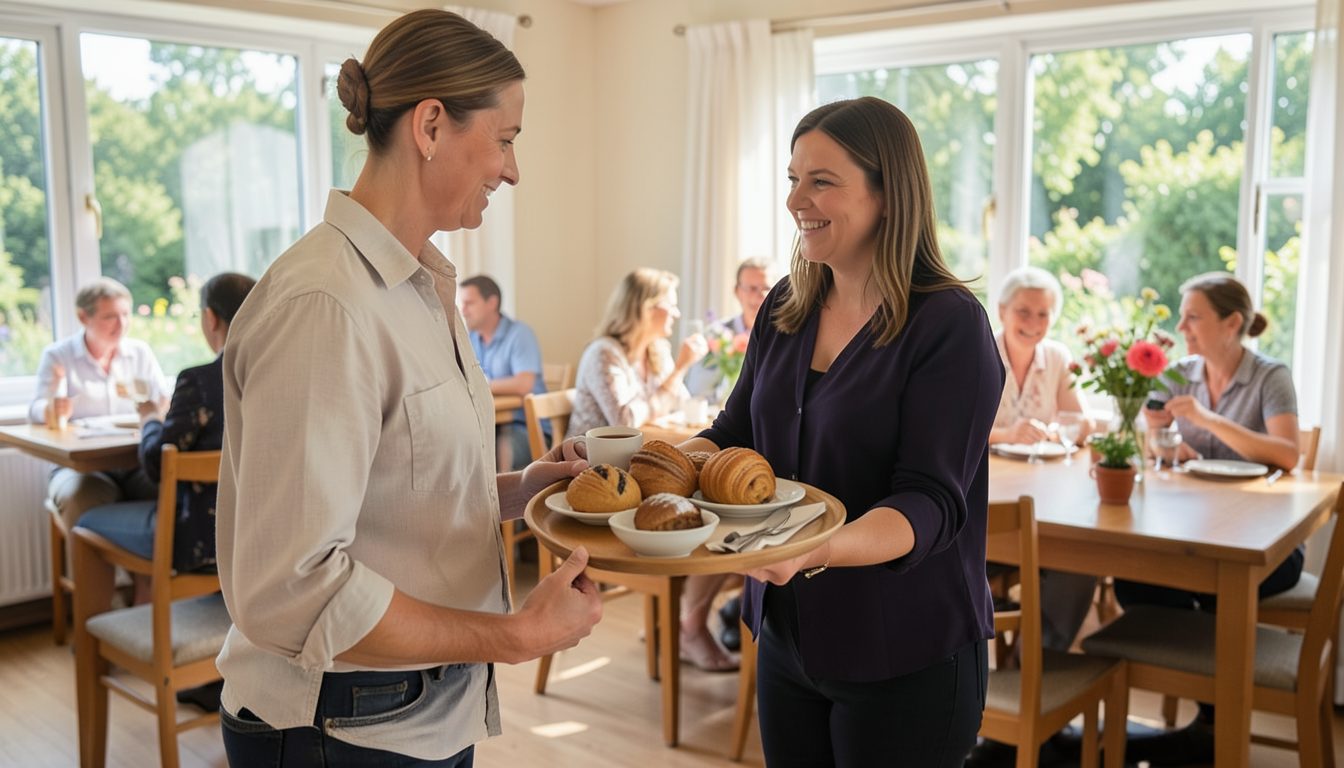
Many bed and breakfasts and small guesthouses get most of their bookings through large travel sites. Those platforms bring guests, but they also take a commission and sit between you and the guest. A good website of your own gives returning guests, referrals and people who find you on a map a way to book with you directly. It also lets you show the character of your place in a way a standard listing never can.
A small accommodation site needs a few well-made pages:
Room photos matter more than anything else on the site. Show each room from the doorway, then the bed, the bathroom and the view, so guests can picture the space and are not surprised when they arrive. A short note on stairs or step-free access helps guests who need to know before they book.
Guests expect to see availability and book at once, not wait for an email reply. A booking engine shows live availability by room and date and takes the booking for you. When choosing and setting one up:
You can thank guests who book directly with a small benefit, such as a free late check-out, where your agreements with travel sites allow it. Read those terms before you advertise lower prices on your own site.
Decide how you take payment and put it in writing on the booking page. Common options are full payment at booking, a deposit at booking with the balance paid on arrival, or a card held to guarantee the stay. Match your cancellation policy to the payment method and make it easy to find before the guest pays. Rules on taking and refunding deposits can vary, so check your local rules. Send a confirmation that repeats the dates, room, price, payment taken and cancellation terms, so there is never any doubt later.
A few days before arrival, send a short message with directions, parking, check-in instructions and how to reach you if plans change. On the website, a simple local guide with your favorite walks, cafes, markets and sights helps guests plan their trip. It also helps your site appear when travelers search for things to do in your area. Keep it personal and practical, written the way you would describe the area to a friend who is visiting. After the stay, a short thank-you message with a direct booking link makes it easy for guests to come back.
A step-by-step plan:
After a few months, compare how many bookings arrive directly against those from travel sites, and keep improving the pages guests look at most. Ask happy guests at check-out to leave a review, and add a few of the best to your room pages.