
Welcome to Volnyn
Sign in or create an account to continue
Continue with Google
or
Sign in with email
New here? Create an account
By continuing, you agree to our Terms of Service
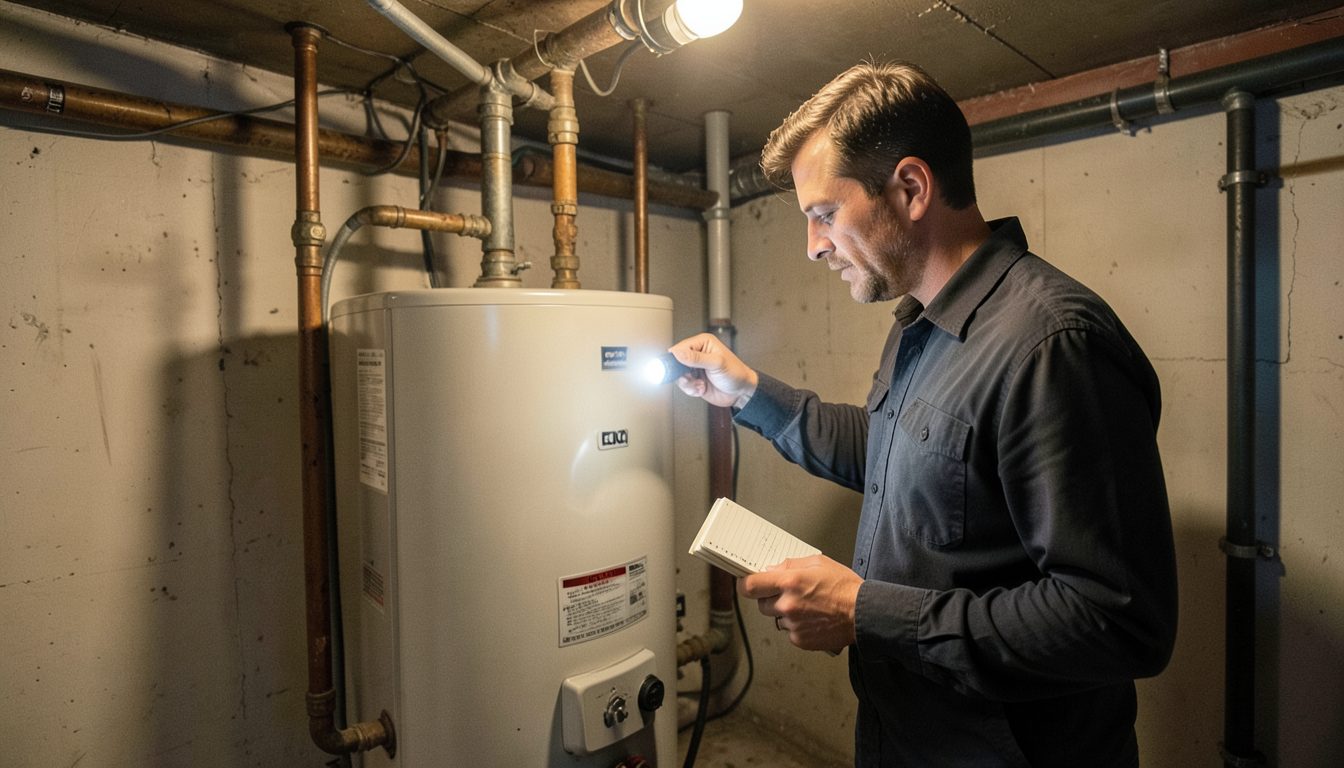
Water heaters, roofs, and furnaces do not fail on a schedule that matches your bank balance. Many small landlords treat big repairs as surprises and pay for them with credit cards or by skipping their own income for a few months. A simple reserve plan turns those surprises into expected costs, spread out over time, so a broken appliance becomes an annoyance instead of a crisis.
Think about two kinds of spending:
Budget for both, but plan them differently. Routine repairs come out of a monthly maintenance line. Replacements come out of a reserve you build over years.
Walk each property and list the major components. For each one, write down its approximate age, a typical useful life, and a rough replacement cost. Useful life depends on quality, climate, and use, so treat every figure as an estimate. Installers, home inspectors, and your own past invoices are the best sources for your situation.
Here is a worked example for one unit. The numbers are illustrations only, not quotes or typical prices:
| Component | Age (years) | Expected life | Years left | Est. cost | Set aside per year |
|---|---|---|---|---|---|
| Water heater | 8 | 12 | 4 | $1,600 | $400 |
| Refrigerator | 5 | 13 | 8 | $1,200 | $150 |
| Carpet | 4 | 8 | 4 | $2,400 | $600 |
| Interior paint | 2 | 5 | 3 | $1,500 | $500 |
Divide each estimated cost by the years left to see how much to set aside per year. Add up that column and divide by twelve for a monthly amount. In this example, $1,650 a year works out to roughly $138 a month for these four items.
Do the same for building-wide items like the roof, siding, parking surface, and boiler, then split the total across units if that helps you think about it per door.
For day-to-day repairs, look at what you actually spent over the last two or three years and average it. If you do not have records, start with a modest monthly amount per unit and adjust after a year. Older buildings and units with frequent turnover usually need more.
Money that sits in your main operating account tends to get spent. Open a separate savings account for reserves and set up an automatic monthly transfer for the day after rent is due. Treat it like a bill you owe. If you manage for other owners, follow your management agreement and local rules on how owner funds and reserves must be held.
Write down when the reserve can be used: replacements and major repairs, not routine fixes or upgrades you simply want. Decide what happens when it runs low and how you will rebuild it. A simple rule is to pause optional upgrades until the reserve is back at its target.
When a component lasts longer or fails sooner than planned, update your list. When something is replaced, reset its age to zero and recalculate the monthly amount.
Once you know what is due in the next year or two, you can replace some items on your own terms. Swapping an aging water heater during a turnover, rather than on a cold night in January, usually means less disruption, more time to compare quotes, and no emergency rates. Tenants notice the difference too: a planned upgrade feels like care, while a three-day breakdown feels like neglect.