
Welcome to Volnyn
Sign in or create an account to continue
Continue with Google
or
Sign in with email
New here? Create an account
By continuing, you agree to our Terms of Service
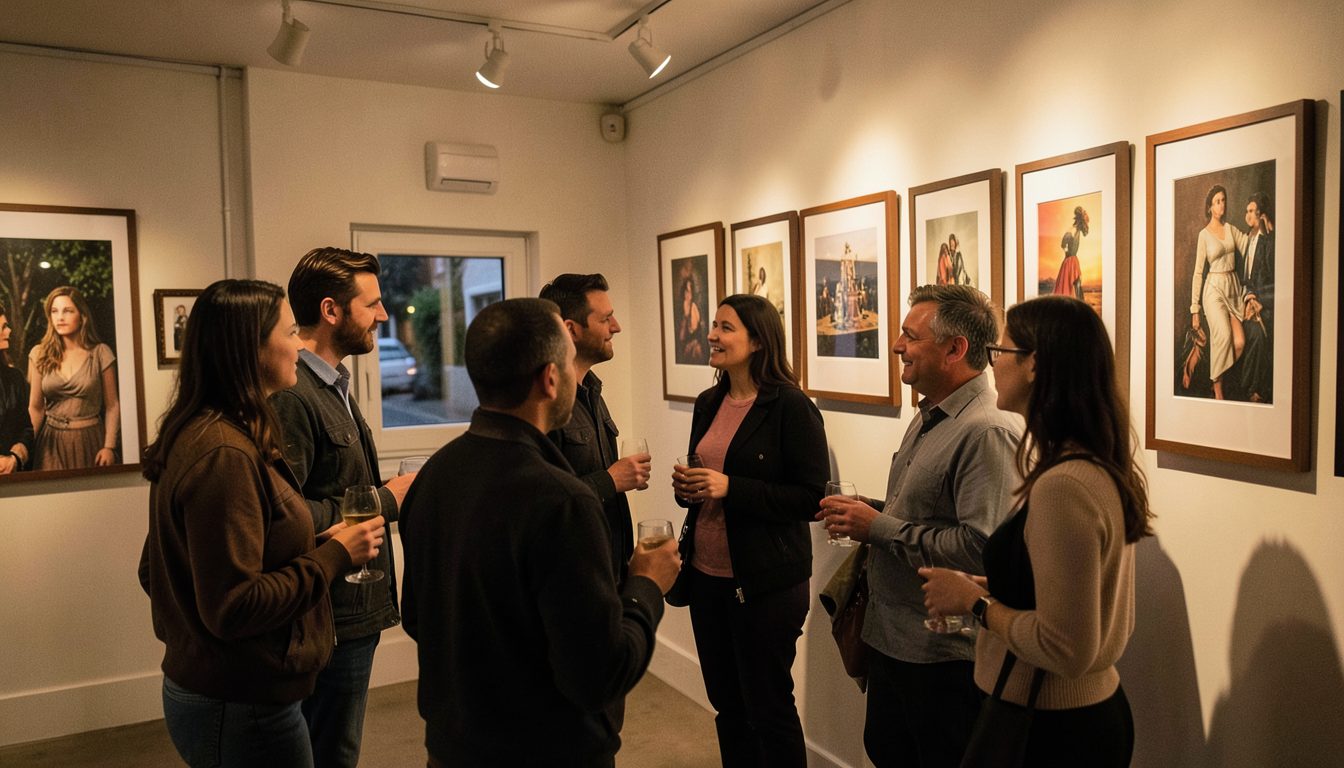
Much of the advice about NFT communities is really advice about hype: constant giveaways, countdowns, invite contests and talk about rising prices. That approach can bring in a crowd quickly, but the crowd tends to leave as fast as it came, and it attracts people more interested in flipping than in your work. A smaller group of people who genuinely like what you make is more stable, more pleasant to look after and better for your reputation. Here is how to build one.
Write one or two sentences about why people would gather around your work. It might be to follow a long-running series, to see how pieces are made, to talk about a shared interest such as photography or generative art, or to hear first about new releases. Keep it about the work and the people, not about the price of a token. This statement guides every later decision, from which platform you use to what you post.
Social platforms change their rules and their reach, so build at least one channel you control:
If you do not have a website yet, an AI website builder such as Volnyn's can help you set up a simple home base quickly.
A short, pinned set of community guidelines does a lot of work. Consider including:
People connect with how work is made. Share sketches, failed attempts, reference photos, the thinking behind a series and what you are learning along the way. Behind-the-scenes posts give collectors and non-collectors alike a reason to stay, and they keep the conversation about art rather than about trading.
Consistency matters more than volume. Pick a schedule you can keep for a year, such as a monthly newsletter and a weekly studio update, and stick to it. A simple plan helps:
Regular, honest updates build trust, including updates about delays or a change of plan. Long silences followed by sudden release announcements feel transactional, and they teach people to show up only when there is something to buy.
Treat collectors as people who support your practice, not as an audience to sell to. Small gestures go a long way:
Follower counts are easy to inflate and say little. Better signs of a healthy community are replies to your newsletter, thoughtful questions, people returning for each release and members helping newcomers. Look at these every few months, notice what led to real conversations, and do more of that. Growth will be slower than with hype, but the people who stay will be there because of your work.