
Welcome to Volnyn
Sign in or create an account to continue
Continue with Google
or
Sign in with email
New here? Create an account
By continuing, you agree to our Terms of Service
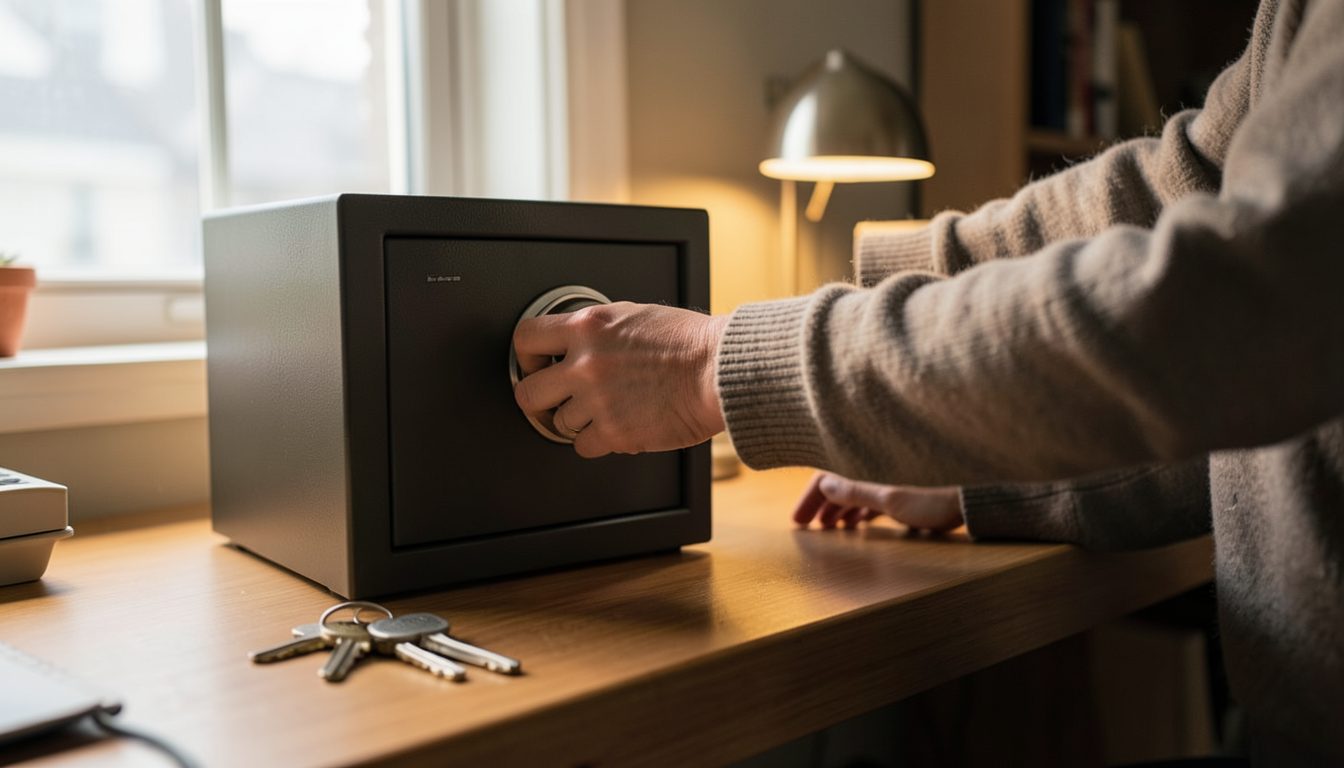
Many artists end up with a wallet without ever choosing one. A marketplace offers an email sign-in, an exchange account holds a balance, or a friend recommends a browser extension. Each of those is a different kind of wallet, with different rules about who can move your tokens and what happens when something goes wrong. Understanding custodial and self-custody wallets lets you make that choice on purpose.
A blockchain address is controlled by a private key. Whoever can use that key can move what the address holds. Every wallet answers one question in its own way: who has access to the key?
Some newer services sit in between. They may let you sign in with email while splitting control of the key between you and the provider, or let trusted contacts help you recover access. These designs vary a lot, so read exactly who can move your assets and what happens if the provider stops operating.
| Question | Custodial | Self-custody |
|---|---|---|
| Setup | A familiar account sign-up | Install an app or device and back up a recovery phrase |
| Forgot your password | Recovery through the company | Only your recovery phrase can restore access |
| Who can freeze transfers | The company, under its terms or legal obligations | No one, apart from rules built into a token's own contract |
| Main risks | Company failure, hacks, account lockouts, policy changes | Lost recovery phrase, theft, signing something harmful |
| Using other apps | Often limited to that company's services | Connects to most compatible apps on that chain |
A custodial account can be a reasonable starting point if you are experimenting with small amounts, if you are setting something up for a client who will never manage a recovery phrase, or if you value password recovery above everything else. It also suits businesses that want a familiar login and a support line.
The trade-off is dependence. Read the terms carefully. Can you withdraw tokens to your own wallet? Which chains are supported? Are there withdrawal fees or limits? What happens to your assets if the company closes? A custodial balance is only as safe as the company holding it.
Self-custody fits creators who mint their own contracts, want their work to stay under their own control, or need to connect to many different apps. It also means the job of keeping things safe falls on you: backing up the recovery phrase offline, choosing what to connect to, and reading what you sign.
Many creators who choose self-custody use two wallets: a hardware wallet for long-term holdings and a software wallet for daily activity. That split limits the damage if the everyday wallet is ever compromised.
If you start custodial and later move to self-custody, the process is usually a withdrawal from the custodial account to your own address. A few precautions help:
Moving the other way works the same, in reverse. Use the deposit address the custodial service shows you, and confirm it supports the token you are sending.