
Welcome to Volnyn
Sign in or create an account to continue
Continue with Google
or
Sign in with email
New here? Create an account
By continuing, you agree to our Terms of Service
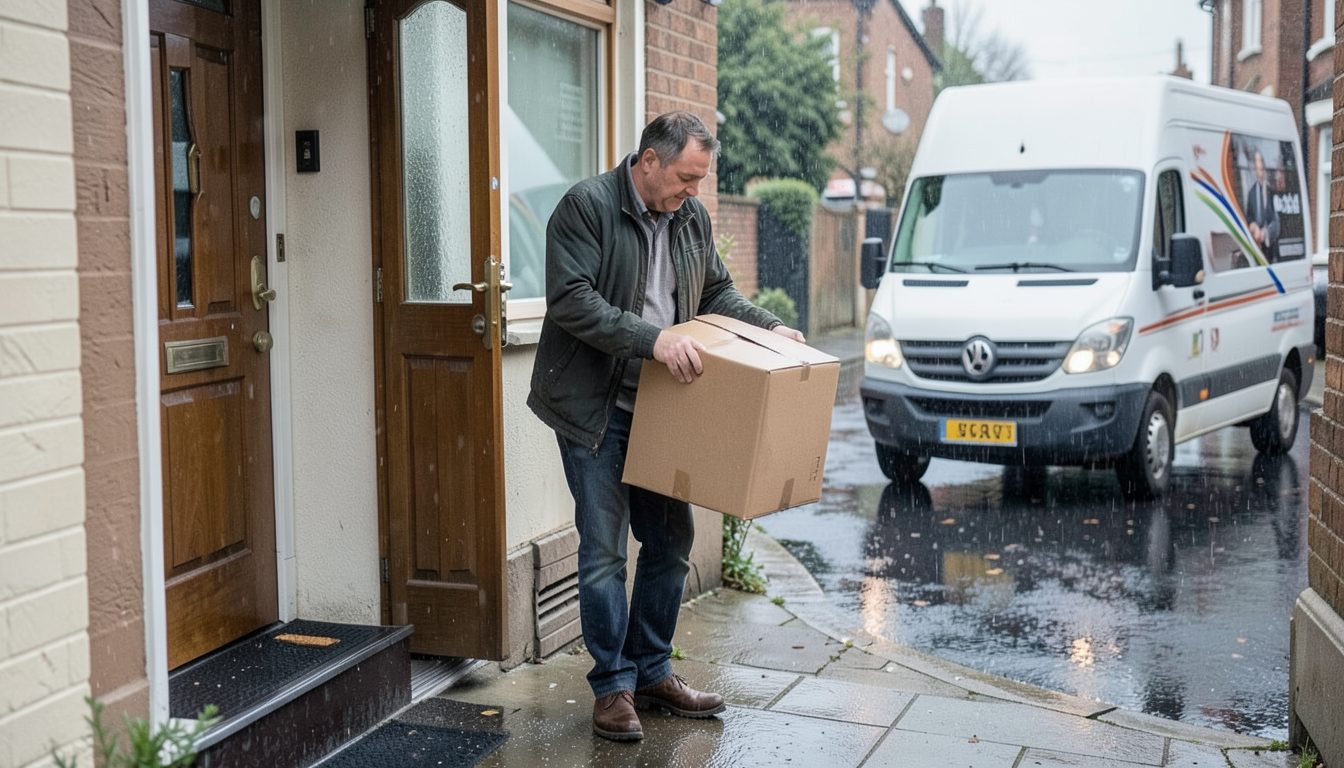
For an overseas customer, the time between paying and receiving the parcel is when doubt grows. The order is coming from a business they cannot visit, through a postal system they do not know, and the tracking page may stop updating for days. Most anxious emails, and many payment disputes, start in that gap. You cannot make international shipping faster than it is, but you can make the wait feel predictable and calm.
Give customers a delivery estimate before they buy, not after. Show it on product pages or at checkout, by country or region, and use ranges rather than single dates. A range that is slightly longer than your usual experience is better than a promise you keep missing.
International tracking often looks broken even when the parcel is fine. A tracking number may update often while the parcel is still in your country, then go quiet while it travels, then switch to a different number or website once the local carrier takes over. Customers who do not know this tend to assume the worst.
Write a short explanation and include it in your shipping confirmation and on your shipping page. Tell customers that pauses are normal, roughly how long a typical pause lasts, and, where possible, which local carrier will deliver the parcel and how to track it there.
A few well-timed messages reduce the number of customers who write in to ask. A simple sequence looks like this:
Many online store tools can send these messages automatically. Keep the language plain and short, especially for customers who are reading in their second language. Show dates in a format nobody can misread, such as writing the month as a word, because the order of day and month differs between countries.
Wrong or incomplete addresses cause many delivery failures abroad. Address formats differ by country, and customers sometimes leave out an apartment number or a postal code. Before shipping, quickly scan orders going to new countries for missing details. Ask for a phone number at checkout if your carrier uses it to arrange delivery. If something looks wrong, email the customer before you ship rather than after the parcel comes back.
Decide your policy in advance so you are not inventing it for each worried customer:
When a parcel does go missing, reply quickly, tell the customer what you are doing and when they will hear from you next, and keep that promise. A calm, fast answer often turns a bad experience into a loyal customer.
Put the key points on your shipping page in plain words. When customers can see exactly what will happen if something goes wrong, they tend to wait more patiently, and you spend far less time answering the same question again and again.