
Welcome to Volnyn
Sign in or create an account to continue
Continue with Google
or
Sign in with email
New here? Create an account
By continuing, you agree to our Terms of Service
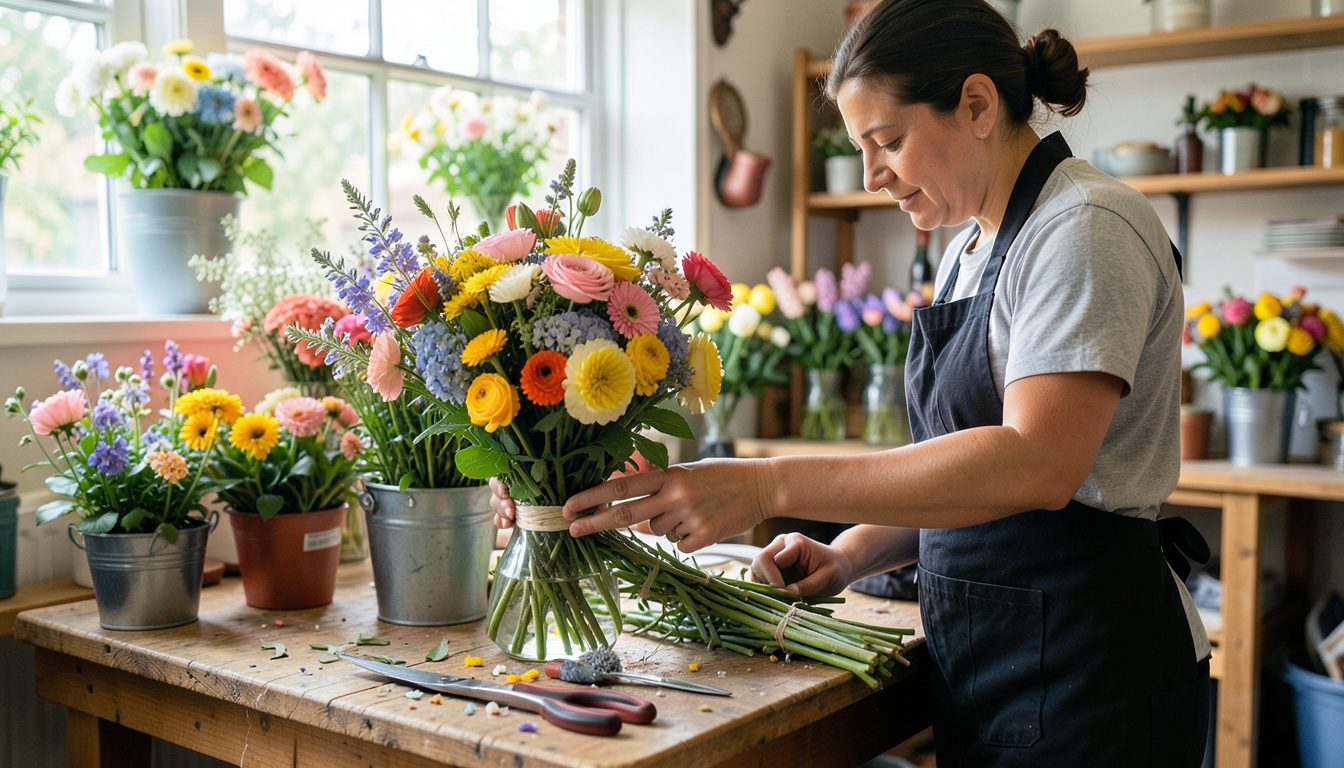
People usually order flowers for a specific person on a specific day: a birthday, an anniversary, a thank-you or a sympathy arrangement. That makes a florist's website different from a typical online shop. Customers need to choose a bouquet, pick a delivery date, write a card message and pay, often from a phone and often in a hurry. If any of those steps is confusing, they will order from someone else in a couple of taps.
Keep the structure simple and easy to change with the seasons:
Fresh flowers change with the season, so describe arrangements by style rather than exact stems. A common approach:
Add-ons such as a vase, chocolates or a small card upgrade can sit on the product page, but keep them few so the checkout stays quick. Sympathy and funeral orders need extra care, so add a simple way to give the service time and venue, and have someone on your team check those orders by hand.
The checkout is where florists win or lose orders. Make sure it includes:
Plan ahead for the busiest holidays in your area. You may need to pause same-day orders, set a limit on orders per day, or open orders early so you can buy the right stock in time.
Take payment at checkout with cards and common digital wallets, since most flower orders are paid in full upfront. Send an order confirmation with the delivery date, the card message and the arrangement chosen, so the customer can spot a mistake early. A short delivered message, with a photo of the arrangement if your process allows it, reassures customers who are sending flowers to someone far away. For weddings and events, a deposit to reserve the date followed by a final payment closer to the day is a common arrangement.
A first version can be ready within a week:
After launch, look at which arrangements sell and which occasions bring the most orders, and shape the range around them. Customers who order once for a birthday are likely to need flowers again, so ask at checkout whether they would like a reminder before the same date next year.