
Welcome to Volnyn
Sign in or create an account to continue
Continue with Google
or
Sign in with email
New here? Create an account
By continuing, you agree to our Terms of Service
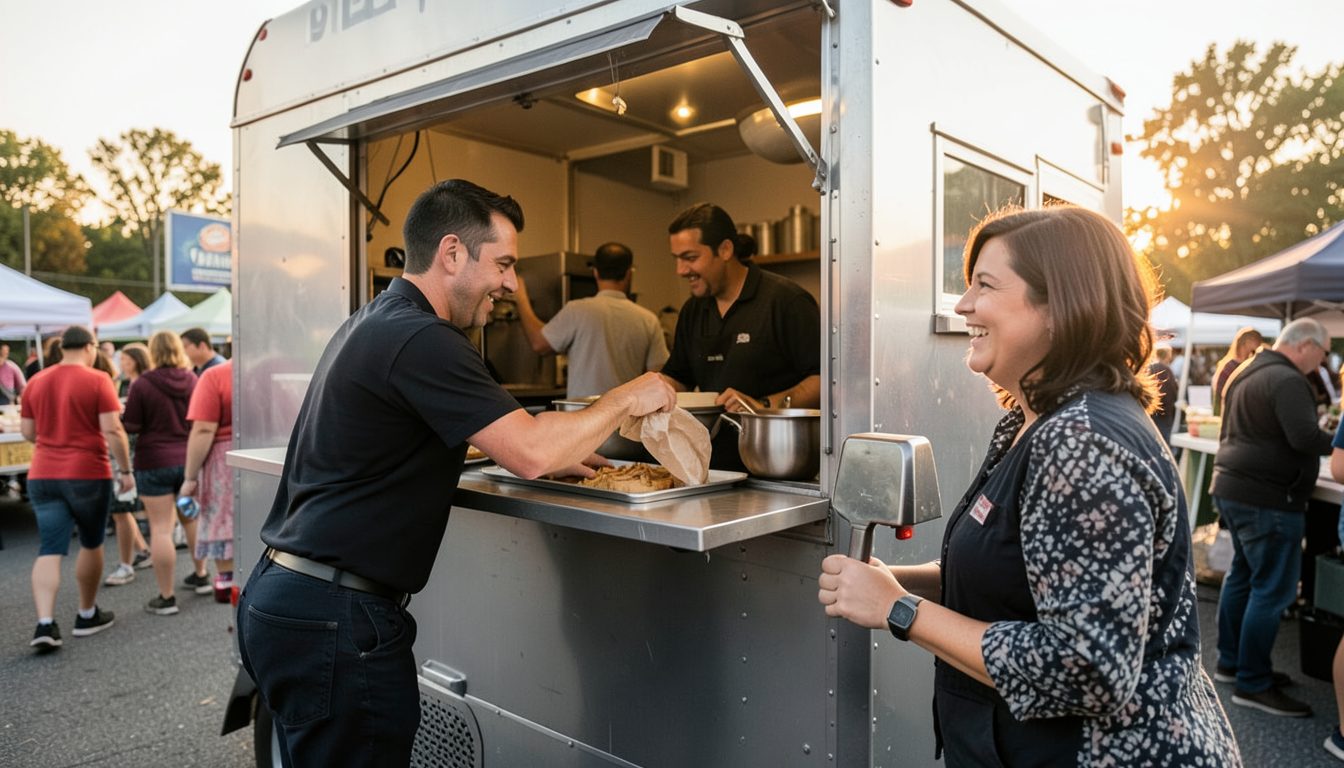
A food truck's biggest challenge online is that it moves. Fans want to know where you are today, what is on the menu, and whether they can order ahead to skip the line. Event organizers and companies want to know whether you can cater their party or office lunch. Social media helps, but posts get buried quickly. A simple website gives everyone one reliable place to check, and turns curious followers into paying customers and catering bookings.
Most food trucks need only a few sections:
If you rotate dishes, mark which items are always on the menu and which are specials, so regulars know what to expect before they walk over.
An out-of-date schedule is worse than none, because people show up and find an empty curb. Choose a setup you can update from your phone in a minute:
If you also post the week's schedule on social media, use the same wording and link back to the website, so there is only ever one version of the truth.
Lunch crowds have limited time. Preorders let customers order and pay online, then pick up at a set time. To keep it manageable:
Many ordering systems made for restaurants work for food trucks too, and some connect to the card reader you already use at the window.
Catering and private events can be a steady source of income between regular services. A clear page with a good inquiry form helps you quote quickly. Ask for:
Explain how booking works, such as a deposit to hold the date and the balance before the event, and what happens if the event is cancelled or moved. Photos of the truck at past events help planners picture it at theirs.
At the window, card and contactless payments are widely expected now. Online preorders should be paid at checkout so nobody skips their pickup. For catering, send an invoice or a payment link for the deposit and the balance. List the payment methods you accept on the site so nobody gets caught out at the front of the line.
Write out the menu, take good photos of your best dishes and the truck, and set up your ordering tool. Then build the site with a website builder and connect your own domain. An AI website builder like Volnyn can produce a first draft from a short description, which you then adjust. Add the web address to the side of the truck, your menus and your social profiles, and make sure the location schedule is easy to update from your phone before launch day.