
Welcome to Volnyn
Sign in or create an account to continue
Continue with Google
or
Sign in with email
New here? Create an account
By continuing, you agree to our Terms of Service
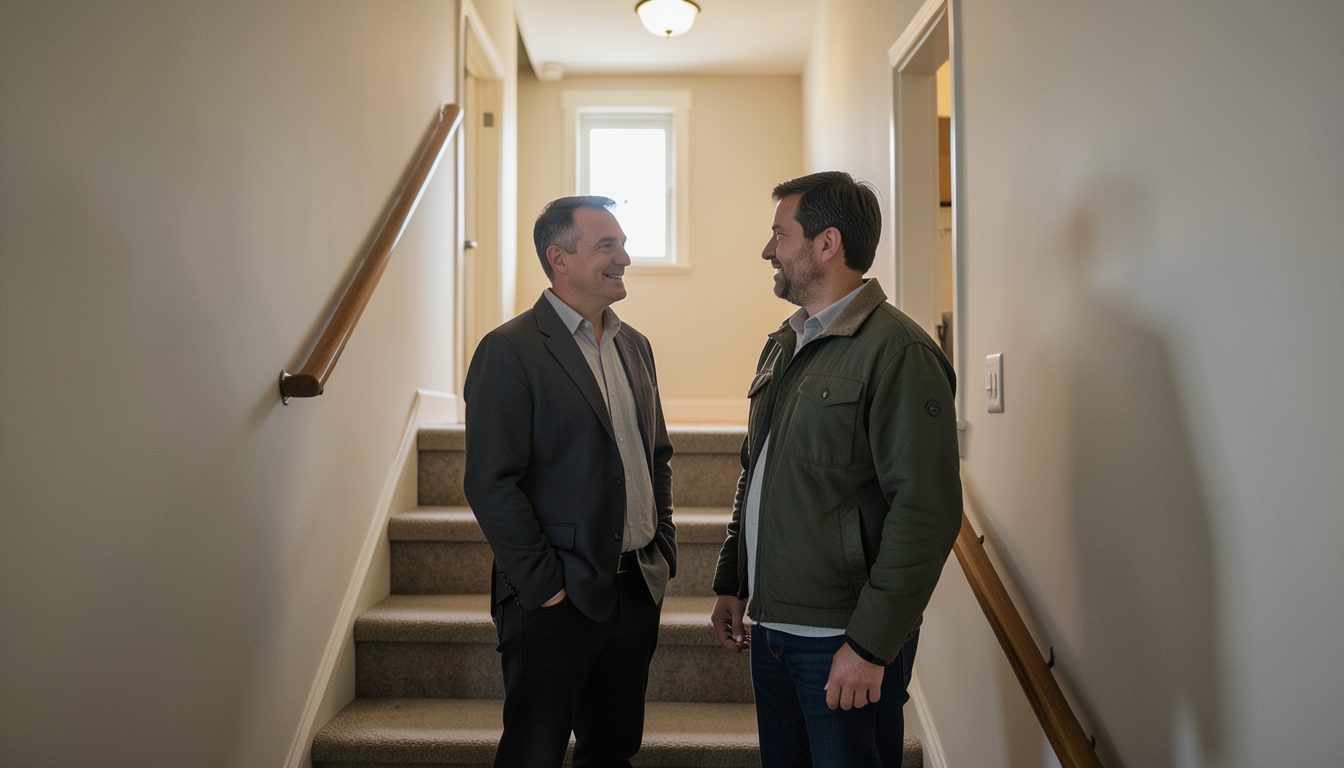
A complaint about a noisy neighbor puts you in an awkward spot. One tenant wants you to fix it now. The other may not know there is a problem, or may feel singled out. If you ignore it, the good tenant may leave. If you overreact, you may lose the other one or make an unfair accusation. A steady process helps you stay fair while still taking every complaint seriously.
Most of the work happens before any complaint arrives. Your lease or house rules should describe:
Go over these rules at move-in and send a general reminder to everyone once a year. A building-wide note can solve some problems without anyone feeling targeted.
When a tenant complains, listen first, then get specifics:
If there is a threat, violence, or an immediate safety risk, tell the tenant to contact emergency services right away. That is not a situation for landlord mediation.
Ask the tenant who complained to keep a simple log with dates, times, and what happened. A log turns "they are always loud" into something you can actually act on.
Some noise is part of shared living. Footsteps, a baby crying, a vacuum in the afternoon, or normal conversation through thin walls are generally not lease violations. Repeated loud music late at night usually is.
Make sure complaints are about behavior, not about who someone is. Fair housing rules protect people from being treated differently based on characteristics such as race, religion, disability, or family status. A complaint that children sound like children, for example, deserves a careful, neutral response rather than a warning letter.
Sometimes the real fix is physical: rugs on hard floors, door sweeps, weatherstripping, felt pads under furniture, or moving a washing machine away from a shared wall. These can be cheaper than months of back-and-forth.
Contact the other tenant without naming who complained, when that is possible. Describe the issue factually: "We have had reports of loud music after midnight on weekends." Then ask for their side. Many people genuinely do not realize how far sound carries.
Point to the relevant lease rule and ask for a specific change. Follow up in writing with a short summary of the conversation and what was agreed.
If the problem continues, move through clear steps and document each one:
Keep the tenant who complained informed in general terms, without sharing private details about their neighbor. "I have spoken with them and will follow up if it continues" is usually enough.
If the noise comes from a property you do not own, your options are limited. You can suggest the tenant talk to the neighbor or use local non-emergency or noise complaint channels. If two tenants simply dislike each other and keep filing complaints, community mediation services, where they exist, can often help more than another notice from you.
Read your current lease and house rules. If quiet hours, shared-space rules, and the complaint process are not written down clearly, add them to new leases and, where your lease allows, send an updated house-rules sheet to all tenants. The next complaint will then have a clear standard to point to.