
Welcome to Volnyn
Sign in or create an account to continue
Continue with Google
or
Sign in with email
New here? Create an account
By continuing, you agree to our Terms of Service
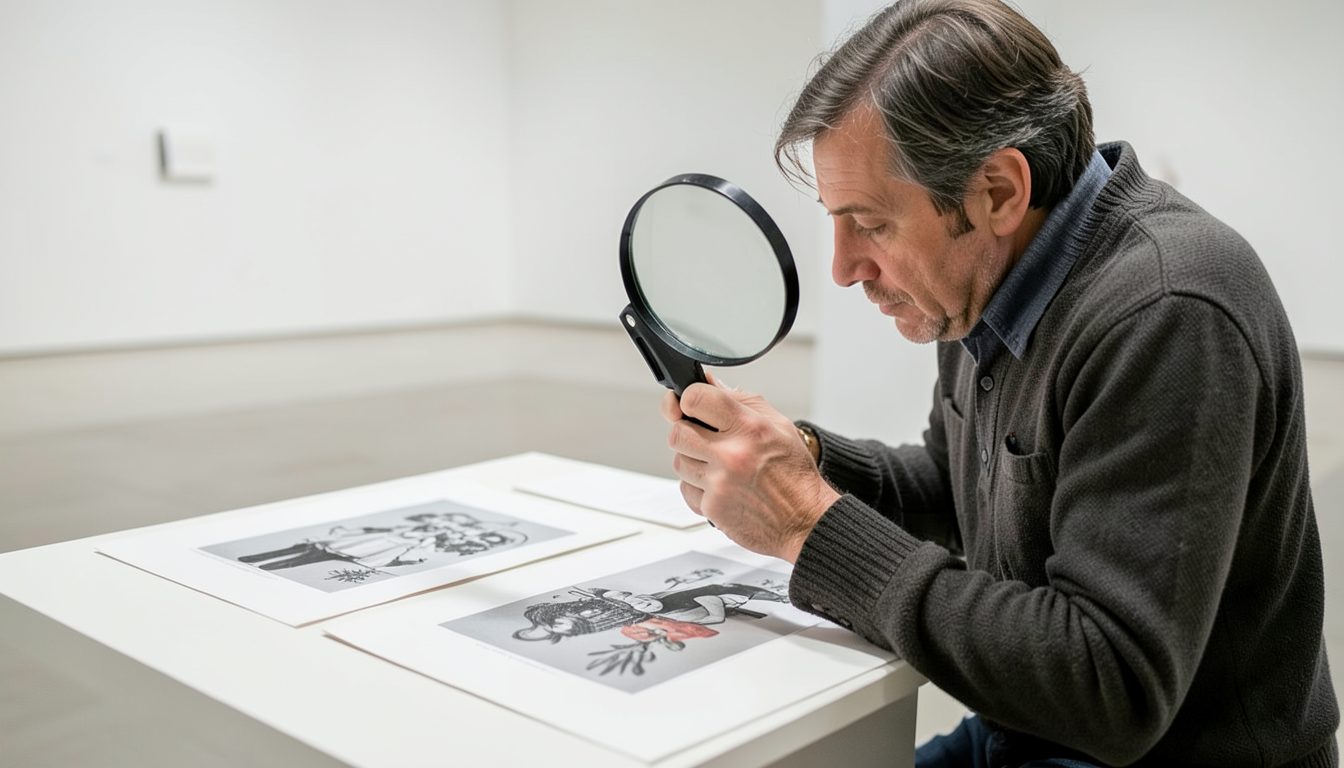
Search a marketplace for a well-known collection or artist and you may find several results with the same name and the same images. Only one of them is real. Copying artwork and deploying a new contract takes little effort, and nothing on the blockchain stops anyone from reusing a popular name. If you are about to buy, or about to recommend a piece to someone else, a few minutes of checking can prevent a costly mistake.
Every collection is managed by a smart contract, and every contract has a unique address. Names, logos, descriptions and images can all be duplicated. The contract address cannot. Your whole goal when verifying a collection is to confirm that the contract address in front of you matches the one the real creator uses.
For a single artwork, add the token ID. The contract address plus the token ID identifies exactly one token.
Start from sources the creator controls and has used for a long time:
If you cannot find the contract address published anywhere official, treat that as a reason to slow down, not to guess.
Addresses are long, and people tend to check only the first and last few characters. Some lookalike addresses are generated to match exactly those characters. Compare the whole string, or paste both into a text document and check them side by side. Do not copy an address from your wallet's transaction history unless you are sure where it came from.
A block explorer shows public information about any contract. A few things are worth a look:
Marketplaces often show verification badges, sales volume and holder counts. These can help, but each has limits. Badge criteria vary between marketplaces and change over time. Trading volume can be inflated by the same people buying and selling to each other. A large number of holders can be manufactured with free airdrops. Use these signals alongside the contract check, never instead of it.
For an individual artwork, find out which wallet minted the token. On a block explorer, the token's first transaction shows it. Then confirm that the artist has publicly connected that wallet to themselves. If the artist says they never minted the piece, or the minting wallet has no connection to them, it is likely an unauthorized copy, even if the image is identical.
Even on the right collection, read the wallet prompt before you confirm. Buying a token normally involves a payment and a transfer to you. If a prompt asks for permission to move all of your tokens, or to spend your funds in a way you do not expect, stop and reject it.
One last point: confirming that a collection is genuine tells you it is authentic, not that it is a good purchase. Buying NFTs is risky, prices can fall sharply, and nothing here is financial advice.