
Welcome to Volnyn
Sign in or create an account to continue
Continue with Google
or
Sign in with email
New here? Create an account
By continuing, you agree to our Terms of Service
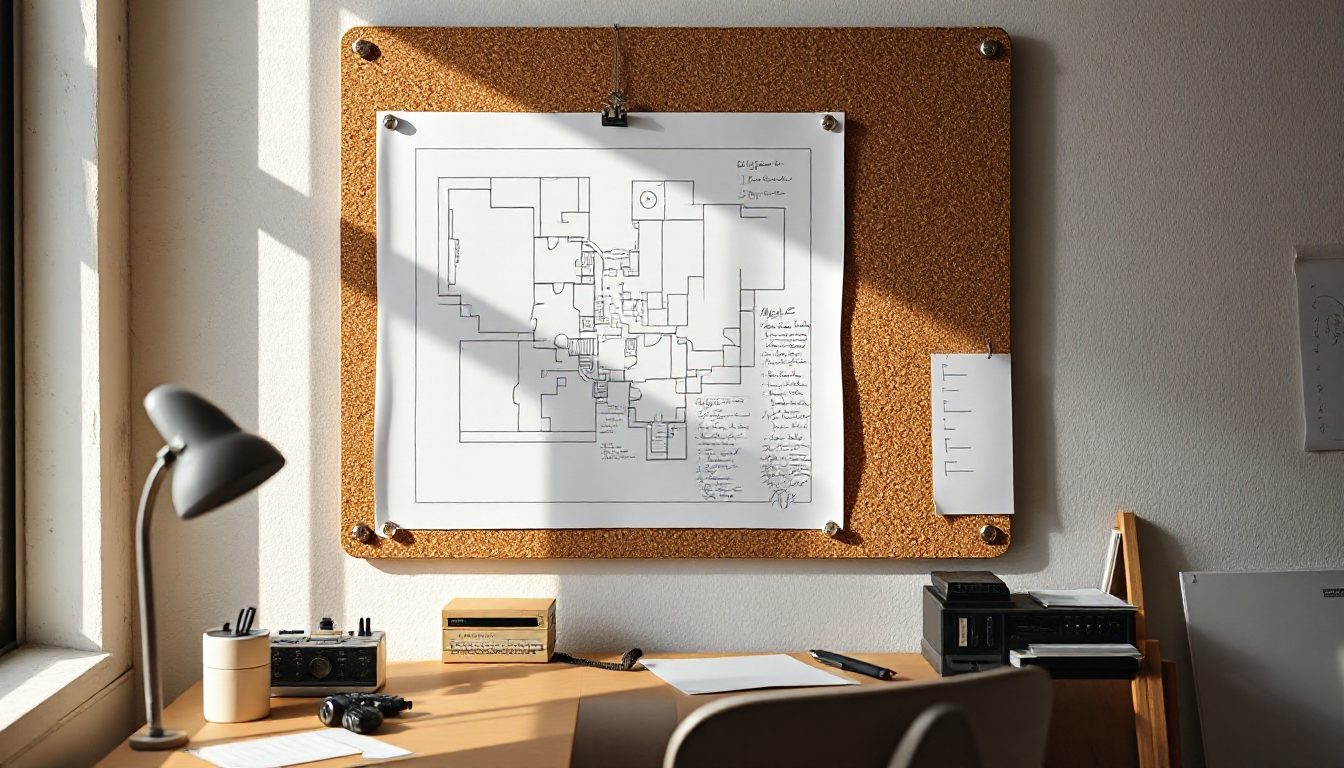
Unless you are raising money from a bank or an investor, nobody will read your business plan but you. So write the version you will actually read: one page, nine boxes, revised every month. It takes an afternoon, and it answers the questions that decide whether a small business works.
| Box | The question | Keep it to |
|---|---|---|
| 1. Customer | Who exactly do you serve? | Two sentences describing a real person |
| 2. Problem | What do they struggle with that you fix? | Three bullets |
| 3. Offer | What do you sell, and at what price? | Your packages or main products |
| 4. Why you | Why would they choose you over the alternatives? | One honest sentence |
| 5. How they find you | Your two or three main channels | Named, not "social media" |
| 6. How you deliver | What has to happen for a customer to get the result | The key steps and who does them |
| 7. Money | Monthly costs, price × volume needed to cover them, and the target | Three numbers |
| 8. Goals | What must be true in 90 days | Three measurable goals |
| 9. Risks | What could stop you, and the first move if it happens | The top two |
Describe your business in a paragraph and ask for the nine boxes filled in. It will be generic — but a generic draft is faster to correct than a blank page. Then push it: "Give me three risks I haven't considered", "Check whether 37 orders a month is realistic for a one-person bakery".
No — banks want the long version with forecasts. Write that from this one; the thinking is done.
Edit monthly, rewrite fully once a year or whenever the business changes direction.
Volnyn's AI can draft your one-page plan, build the cash flow sheet behind box 7 and turn the plan into a website in the same afternoon. Start free at volnyn.com.