
Welcome to Volnyn
Sign in or create an account to continue
Continue with Google
or
Sign in with email
New here? Create an account
By continuing, you agree to our Terms of Service
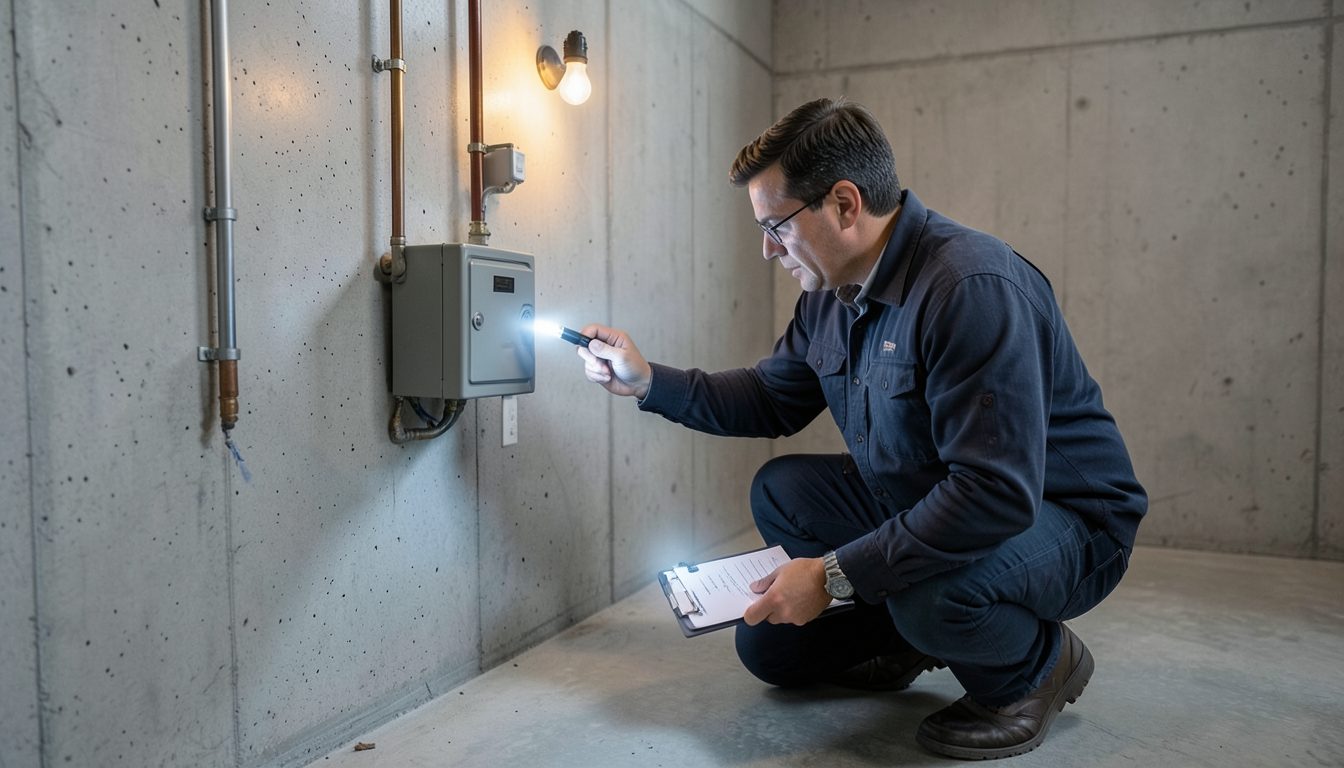
Utilities cause more small disputes in rentals than almost anything else. A tenant moves in and the power is off. A water bill arrives in the landlord's name for the months after a tenant left. Two units share a meter and nobody agrees on the split. Most of these problems come from not deciding the details in advance. Settle who pays what, write it down and run the same steps every time a tenant moves in or out.
Go through every service the property uses and decide, one by one, whether it stays in your name or moves to the tenant. Common services include electricity, gas or heating oil, water and sewer, trash and recycling, internet, and sometimes landscaping or snow removal. A few questions help you decide:
Check your local rules on each of these points before you decide.
Once you decide, list every utility in the lease with who pays and whose name the account is in. Spell out the tenant's duties too: setting up accounts before move-in, keeping service on for the whole tenancy, and not letting accounts lapse. If some utilities are included in the rent, say so, and say whether there is a limit or what happens if use is unusually high. Vague wording like "tenant pays utilities" leads to arguments about trash, water and sewer later.
A simple routine keeps service running without gaps:
If units share a meter and you pass the cost on, the method must be clear, written in the lease and allowed where you are. Common approaches are an equal split, a split by floor area or a split by number of occupants. Whatever you choose, send each tenant a copy of the original bill with your calculation, on the same schedule every month, so nobody wonders whether the numbers are fair.
If a bill suddenly jumps, check for a leak, a running toilet or a faulty meter before passing the cost on. A sudden spike is often a maintenance problem, and fixing it saves everyone money. Where it is practical, consider submetering, which ends most arguments by giving each unit its own reading.
When a tenant gives notice, ask for the dates they plan to stop each service, and remind them not to cancel anything before the lease ends. Read and photograph the meters on the day the keys come back. Confirm that the accounts have switched to your name for the vacancy, so heat, power and water stay on for showings, cleaning and repairs.
If a final bill from the tenant's period lands with you, check what your lease and local rules allow before deducting it from a deposit, and include a copy of the bill with any deduction. Keep meter photos and confirmation numbers in the tenancy file. If a bill dispute comes up months later, they settle it quickly.
Once a year, look at the utility costs you carry for each property. If an owner-paid utility keeps rising, find out why: an aging water heater, leaky fixtures, drafty windows or a change in how many people live in a unit. Small fixes such as sealing gaps, replacing old fixtures with efficient ones and servicing heating equipment can lower costs. If your setup no longer makes sense, plan any change for the next lease, not the middle of the current one.