
Welcome to Volnyn
Sign in or create an account to continue
Continue with Google
or
Sign in with email
New here? Create an account
By continuing, you agree to our Terms of Service
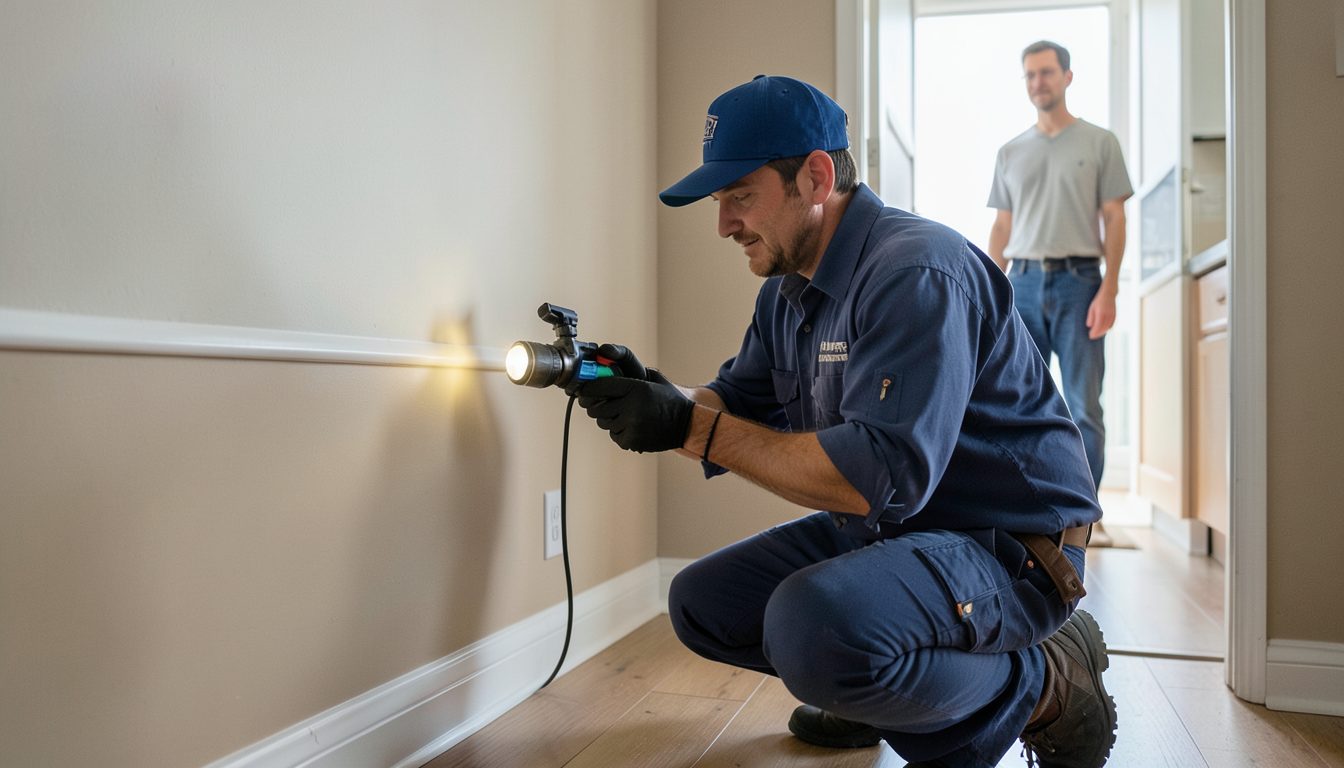
A pest problem can sour a good tenancy quickly. Tenants feel uncomfortable in their own home, neighbors worry it will spread and everyone starts asking who is to blame. The good news is that most pest issues are much easier to prevent than to fix, and most of the ones that do appear are manageable if you act quickly and treat the tenant as a partner rather than a suspect.
Responsibility for pests depends on your local rules and your lease. In many places, the landlord must hand over a unit free of pests and deal with infestations that affect whether the home is livable or that come from the building itself, while tenants must keep the unit reasonably clean and report problems promptly. Some areas have specific rules for particular pests, such as bed bugs, including disclosure and treatment requirements. Check your local rules, then write the responsibilities clearly into your lease so there are no surprises.
Prevention is mostly about removing ways in, water and food. Build these into your normal maintenance:
Some landlords also keep a regular prevention service with a licensed pest control company, especially for multi-unit buildings. That is a business decision, but prevention is usually far less disruptive than treating a problem that has spread through a building.
When a report comes in, how fast and how calmly you react matters. A simple process:
Many treatments only work if the unit is prepared properly. The pest control company will usually provide instructions, such as clearing cupboards, bagging clothing or moving furniture away from walls. Send these to the tenant well before the appointment, explain why each step matters and offer help if they are elderly, disabled or simply overwhelmed. If tenants must leave the unit for a period, make the timing clear. A treatment that fails because the unit was not ready usually means a second visit for everyone.
It is tempting to assume the tenant caused the problem, but pests often come from neighboring units, the building structure or items brought in innocently. Focus first on getting rid of the pests, and only then on cost, based on the facts, your lease and your local rules. Keep a record of every report, inspection, treatment, product used and follow-up visit, along with any written notes from the pest control company. This history helps if a problem returns, if a future tenant asks about past infestations or if there is a disagreement about who pays.
Check in with the tenant a week or two after treatment, and again later, to confirm the problem is gone. Book any follow-up treatments the professional recommends. Then deal with the cause. If it was an entry point, seal it. If it was a leak, fix it. If it started in a neighboring unit, inspect and treat that unit too. The aim is not only to clear the pests, but to make sure they do not come back.