
Welcome to Volnyn
Sign in or create an account to continue
Continue with Google
or
Sign in with email
New here? Create an account
By continuing, you agree to our Terms of Service
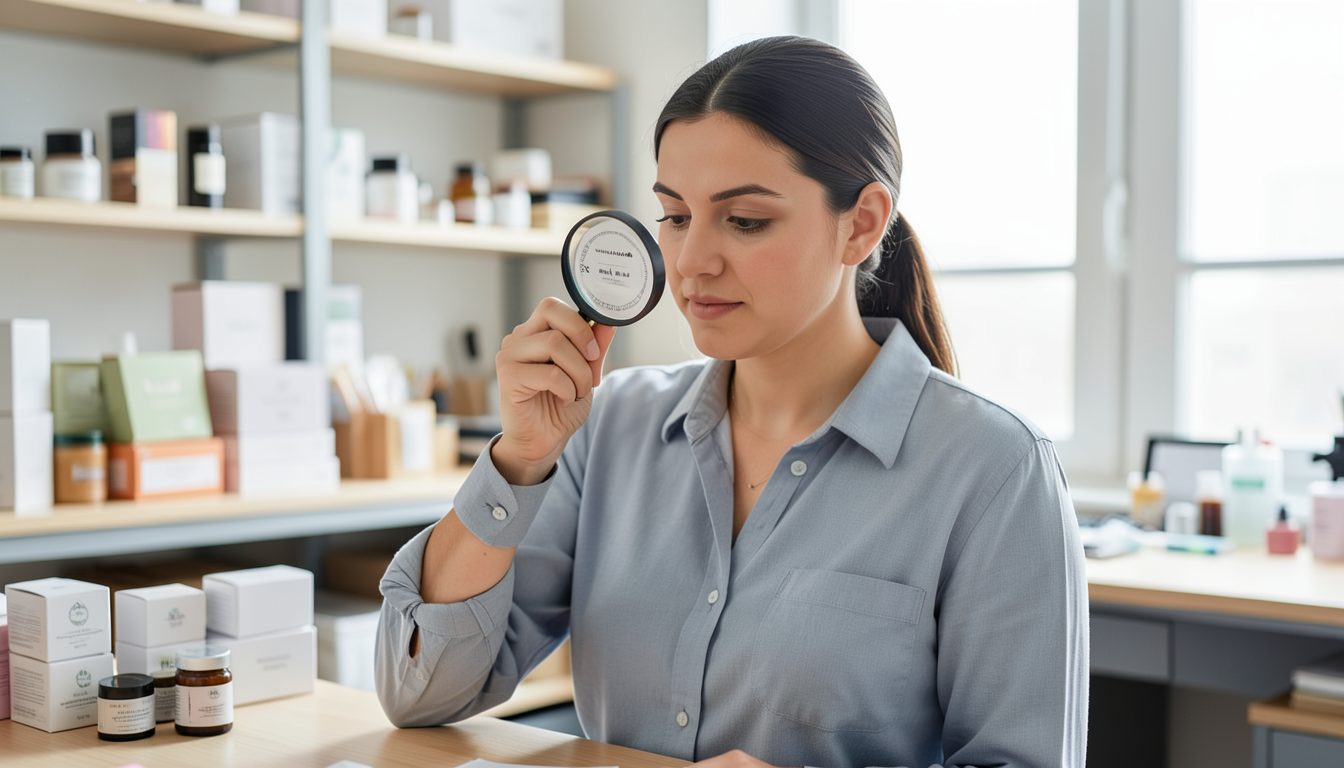
A product that sells without any trouble at home is not automatically allowed, or sellable as it is, in another country. Rules about safety testing, ingredients, labels and who is responsible for the product differ from place to place. Many small sellers find out the hard way, when a parcel is held at customs or a marketplace removes a listing. You do not need to become a compliance expert, but you do need a habit of checking before your first shipment to any new country.
This guide gives a general method, not legal advice. Rules change and vary by product, so check your local rules and the rules of each destination before you start selling.
Some product types attract far more rules than others. Expect extra checks if you sell any of these:
Simpler items such as most clothing, printed goods or home decor tend to be easier, but even they can have labeling rules about materials or country of origin.
Before thinking about the destination's shelves, check the journey. Carriers and postal services publish lists of prohibited and restricted items. Perfumes, aerosols, nail polish and lithium batteries are often restricted because they can be dangerous in transit. Look up your carrier's list for the specific destination, since the same item may be accepted for one country and refused for another.
Next, look at the destination's official import guidance. Many governments publish pages for importers that list banned goods and goods that need a permit or certificate.
Some markets expect certain product types to carry a mark showing they meet local safety rules. For example, many electrical goods and toys sold in the European Union carry a CE mark. Other countries have their own marks and schemes. Getting a mark can involve testing, technical documents and a formal declaration that the maker or importer must keep on file.
If you buy finished products from a manufacturer, ask which certificates the product already has and for which markets. Do not assume that a certificate for one country covers another.
Many countries require key product information to appear on the label in a local language. Depending on the product, that can include:
Some markets also require a business located inside that country or region to be named as responsible for the product. If you sell from abroad, that may mean working through an importer, a distributor or a paid representative service.
Online forums are a poor source for rules that can stop your shipments. Better places to ask:
Keep one page per country and product type, and fill it in before you open sales there. Note whether the product can be shipped, which certificates or marks are needed, what the label must say and in which language, whether a local responsible party is required, and who confirmed each point and when. Review it once a year and whenever you launch a new product. A small sheet like this saves you from repeating research, and it shows you at a glance which markets are easy to enter and which need more work.