
Welcome to Volnyn
Sign in or create an account to continue
Continue with Google
or
Sign in with email
New here? Create an account
By continuing, you agree to our Terms of Service
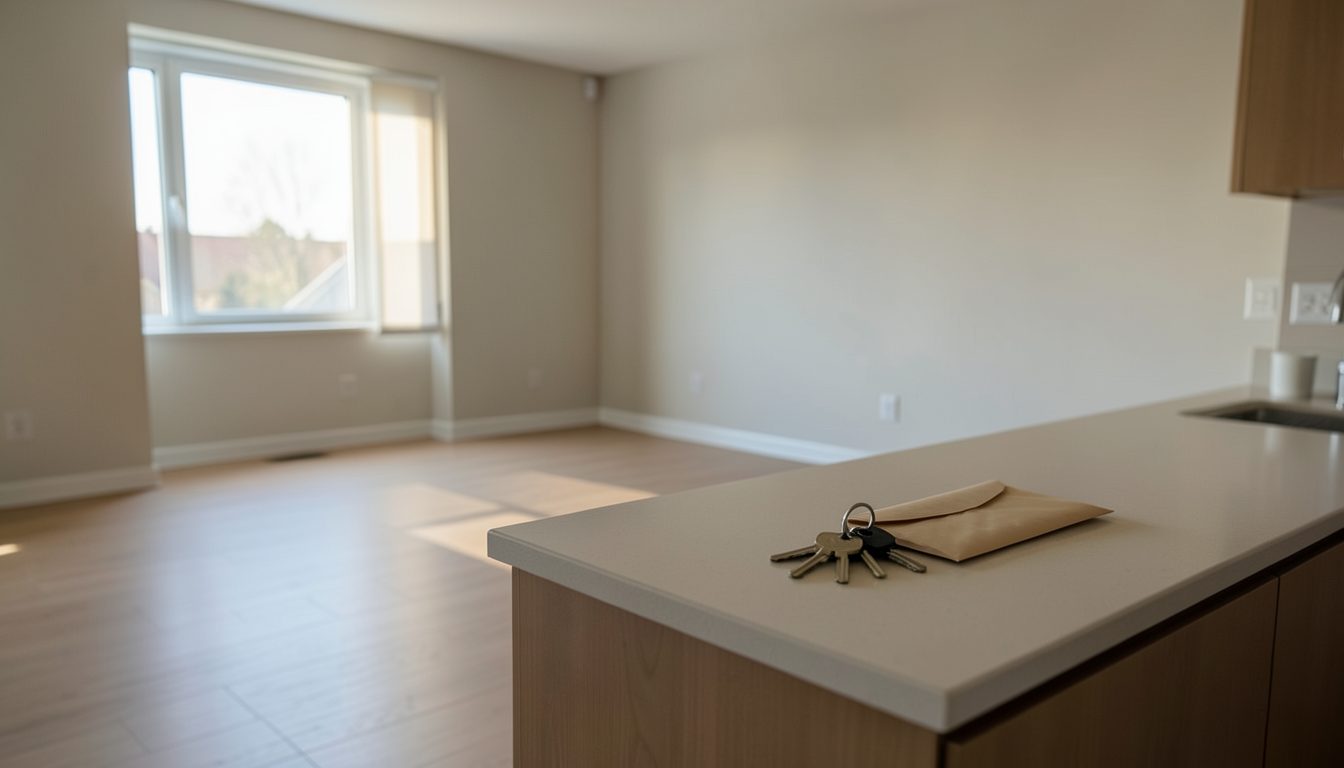
Security deposits cause more arguments at the end of a tenancy than almost anything else. Tenants often assume they will get everything back. Landlords often assume any wear justifies a deduction. A clear, consistent process, explained at the start and followed at the end, keeps most deposit returns from turning into disputes and protects you if one does.
Deposit rules vary widely by state, province, and city. Depending on where your property is, they may cover how much you can collect, where the deposit must be held, whether interest is owed, which deductions are allowed, how quickly you must return it, and what the written statement must include. In some places, missing a deadline or a required step can cost you the right to keep any of the deposit. Look up the rules for each property's location, or ask a local attorney or landlord association, and write the key points into your move-out checklist.
When a tenant gives notice, send a short move-out letter. It should include:
Offering a pre-move-out walk-through, where allowed and practical, gives tenants a chance to fix things themselves. Many would rather clean an oven or patch a few holes than pay someone else to do it.
This is where most disputes start. Normal wear and tear is the gradual decline that comes from ordinary living. Damage is harm beyond that, caused by accidents, neglect, or misuse. Exact definitions depend on local law, but common examples look like this:
| Usually wear and tear | Usually damage |
|---|---|
| Light scuffs and faded paint | Large marks, crayon, or unapproved paint colors |
| A few small nail holes from pictures | Large holes or many wall anchors left behind |
| Carpet worn in walkways | Burns, deep stains, or pet damage to carpet |
| Loose door handles from use | Broken doors or frames |
| Minor scratches on floors | Gouges or water damage from neglect |
Compare the unit with your move-in records, not with how it looked when brand new. The tenant is generally responsible only for changes beyond normal use.
Each deduction should be based on a real cost: an invoice, a receipt, or a reasonable estimate you can explain. Avoid round numbers that look invented.
Consider the age of what was damaged. Many places expect you to account for useful life. Say a carpet was expected to last ten years and was eight years old when a tenant ruined it. Charging the full price of new carpet would be hard to justify; charging for the remaining part of its life is much easier to defend. Check how your local rules handle this.
Unpaid rent, unpaid utilities the tenant was responsible for, and cleaning beyond normal are deductible in many places, but again, confirm locally before you rely on it.
Send a written statement even if you are returning the full amount. List the original deposit, any interest owed, each deduction with a short description and amount, and the balance returned or still owed. Attach photos, receipts, and invoices for each deduction. Keep the tone neutral and factual, with no commentary about the tenant.
Send the statement, with any refund, to the forwarding address within the timeline your local rules set, using a method that gives you proof of the date. Keep a copy in the unit file.
If a tenant disagrees, ask them to explain which items they dispute and why. Review the evidence again with fresh eyes. If they have a fair point, adjust the deduction and say so. Small concessions often cost less than the time a formal dispute takes. If you still cannot agree, follow local procedures and keep everything in writing.