
Welcome to Volnyn
Sign in or create an account to continue
Continue with Google
or
Sign in with email
New here? Create an account
By continuing, you agree to our Terms of Service
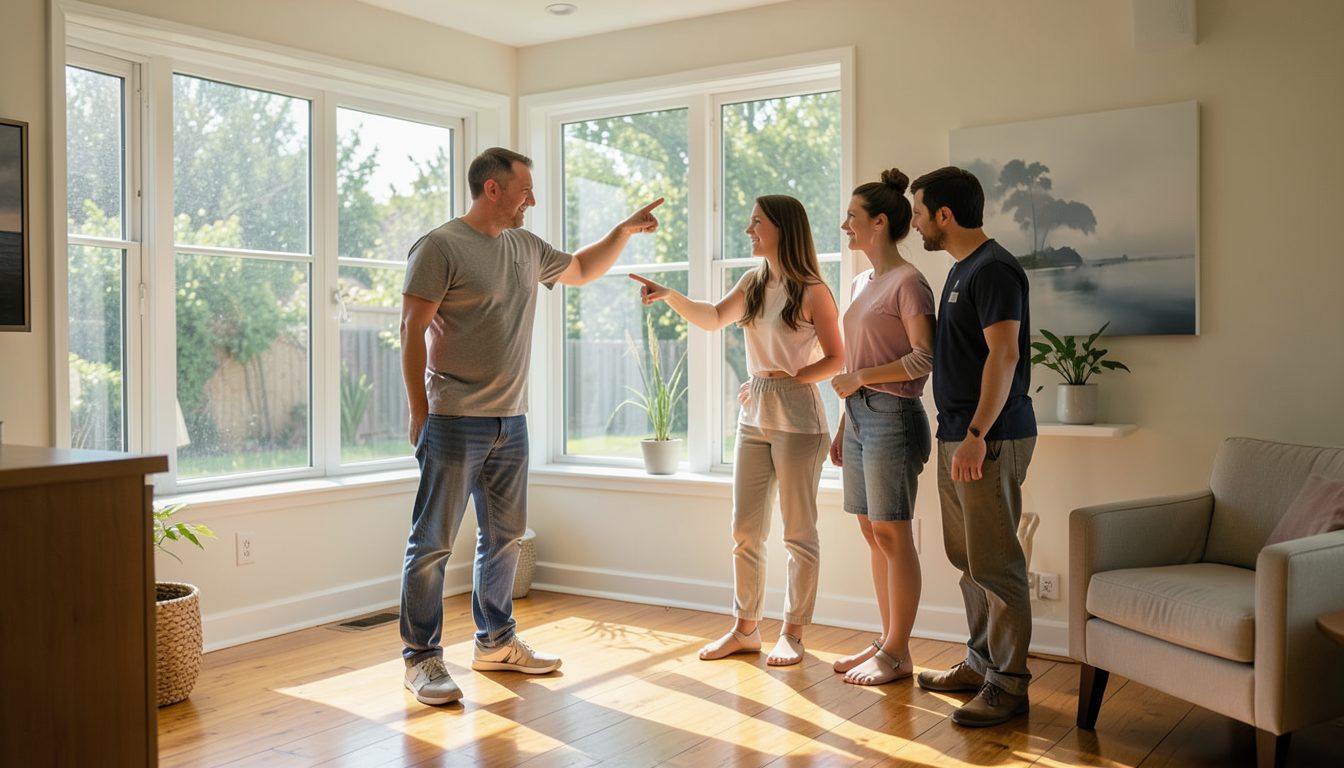
Selling a home without an agent, often called for sale by owner, can save you the agent's fee and give you full control over the process. It also means you take on every job an agent would normally do. Some owners do it well, especially when they already have a buyer in mind or know their local market closely. Before you decide, it helps to see the whole list of tasks and be honest about which ones you are ready for.
Without an agent, nobody hands you a price. You will need to gather recent sales of similar homes nearby, adjust for differences in size, condition and features, and check what is listed for sale right now. Many owners selling privately also pay for a professional appraisal or valuation before listing. It costs far less than an agent's fee and gives you an independent figure to point to when buyers question your price.
Most buyers start their search online, so your listing has to do the work an agent's marketing would. Plan for:
Expect calls and messages at all hours, many from people who are only curious. Set up a simple process:
Many buyers will still have their own agent, who will negotiate on their behalf. Be ready to discuss price, deposit, conditions such as inspection and financing, and the closing date. Ask for proof of funds or a lender letter before you take an offer seriously. Decide your lowest acceptable price and your must-haves in advance, so you are not working them out under pressure.
Also decide early whether you will pay a fee to a buyer's agent. In some markets buyers' agents expect it, and your answer can affect how many of them bring clients to see your home.
This is where private sellers most often need help. Depending on where you live, a sale can involve a purchase contract, required disclosures about the home's condition, title checks, and the transfer of funds through an escrow or closing agent. The rules vary widely, so check your local rules before you list. Many owners selling privately hire a real estate attorney or conveyancer to prepare or review the contract and handle the closing. That protects you from costly mistakes for a fraction of what an agent would charge.
Selling yourself tends to work best when:
If several of those are missing, a middle path may suit you better, such as a flat-fee or limited-service agent who handles only the parts you do not want to do. Whatever you choose, write a simple plan listing each task, who will do it, and by when, before the first buyer calls.