
Welcome to Volnyn
Sign in or create an account to continue
Continue with Google
or
Sign in with email
New here? Create an account
By continuing, you agree to our Terms of Service
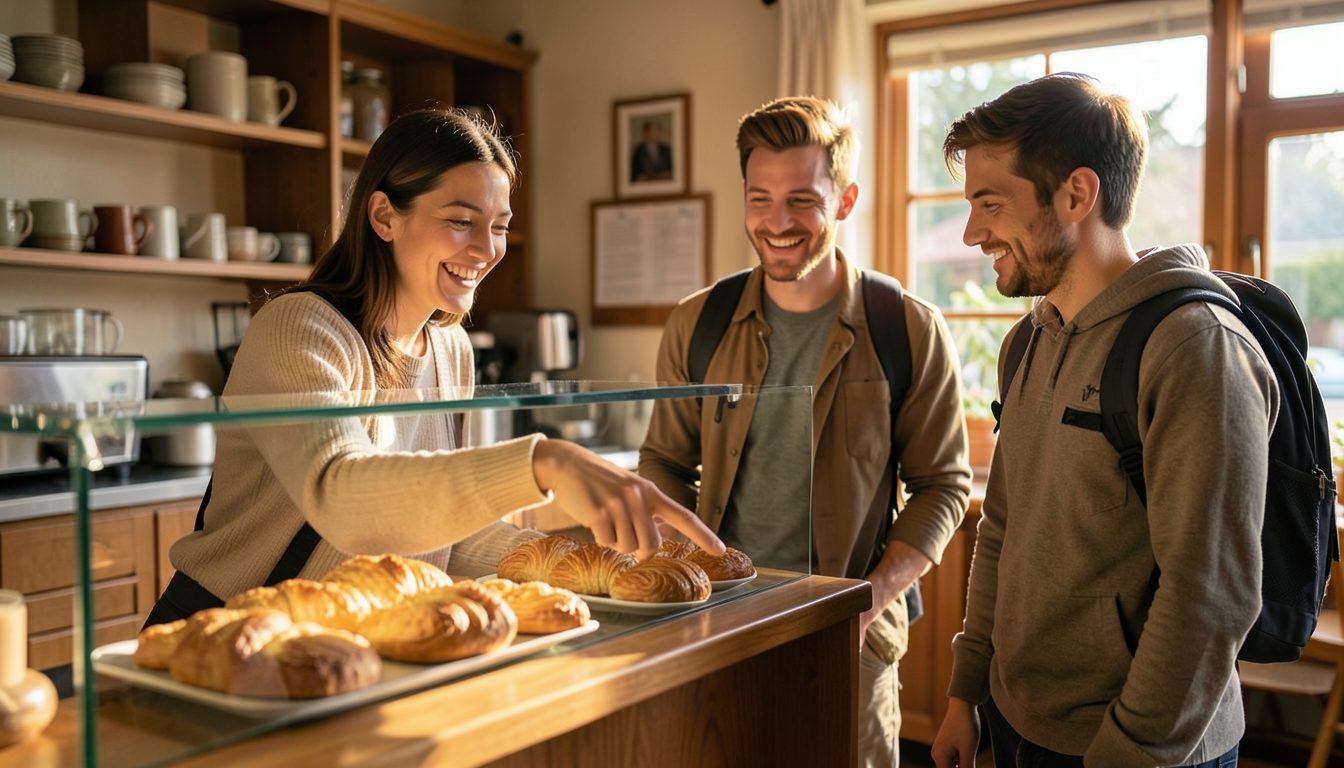
Not every international customer is far away. If your shop, cafe, studio or service is in a town that draws travelers, students or new residents from abroad, customers from other countries are already walking past your door. Many of them want local experiences, but they often pass by places that look hard to understand. A few practical changes can make your business the easy, welcoming choice for people who do not speak the local language well.
Travelers often plan on their phones, in map and review apps, before they even leave their hotel. Make sure your business listing on the major map and review services is complete and correct:
If you have a website, add a simple page in English or another common visitor language that covers what you offer, prices, location and how to book.
A visitor who cannot read your menu or price list will often leave rather than ask. You can help them without translating your whole business:
Have translations checked by a native speaker if you can. A menu with slightly odd phrasing can be charming, but a wrong word for an allergen is a real problem.
Visitors may not carry much local cash. Accept cards and, if your payment provider supports them, contactless and mobile wallet payments. Show the accepted payment types on the door or at the counter so people know before they order. If you take bookings, an online booking page with card payment helps visitors who like to plan ahead.
In some countries, visitors can reclaim certain taxes on goods they take home. If your area has a scheme like this, check your local rules and consider whether joining it would help your shop.
Your team does not need to be fluent in other languages. Agree on a few simple phrases in the languages you hear most, such as greetings, prices and directions. Keep a phone or tablet at the counter with a translation app for longer questions. Speak slowly and clearly, point to items, and write prices down as numbers. Patience and a smile do more than perfect grammar.
It also helps to prepare a short printed card with the questions visitors ask most often, such as the Wi-Fi password, nearby transport, restroom location and tipping customs, so staff can simply hand it over.
Travelers rely heavily on reviews, and one visitor's review can bring many more. After a good experience, invite customers to leave a review, perhaps with a small card at the counter. Reply to reviews in any language with a short thank-you; translation tools make this easy.
Visitors can stay customers after they go home. If you sell products that travel well, let them know whether you ship abroad, or invite them to follow you online. A tourist who loved your coffee beans or ceramics may order again and recommend you to friends planning the same trip.