
Welcome to Volnyn
Sign in or create an account to continue
Continue with Google
or
Sign in with email
New here? Create an account
By continuing, you agree to our Terms of Service
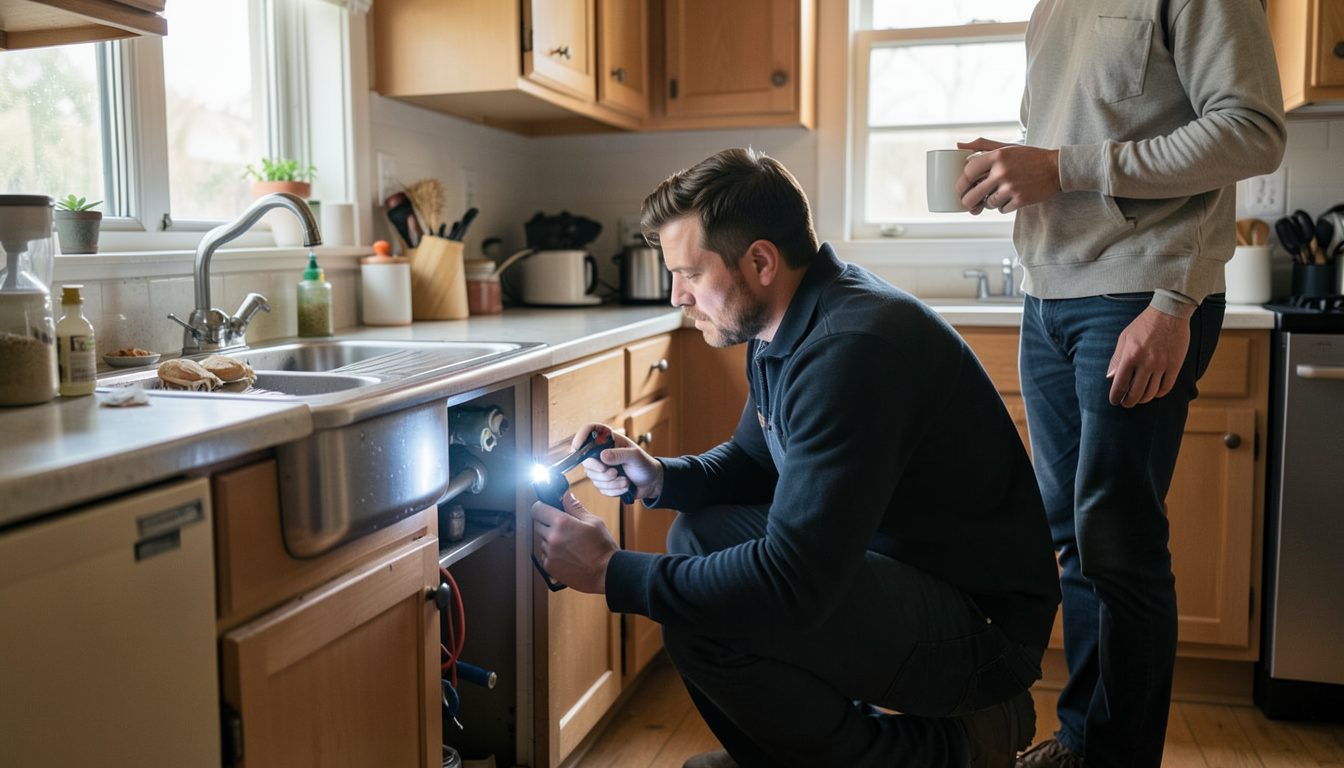
A dripping faucet reported by text, a broken heater mentioned in passing at the door, a leak described in a voicemail you hear two days later. For small landlords, repair requests often arrive through every channel at once, and things slip through. A simple system makes repairs faster, keeps tenants happier and gives you a clear record if questions come up later.
Choose one primary channel for routine requests, such as a dedicated email address, a short online form or a phone number used only for maintenance. Put it in writing in the lease, on a move-in welcome sheet and on a note inside a kitchen cabinet.
Ask tenants to include the same details every time:
For emergencies, give a separate number that someone will answer at any hour, and explain clearly what counts as an emergency.
Not every request needs the same response. Agreed urgency levels help you and the tenant understand what happens next. Local laws often set minimum standards for certain repairs, such as heat, water and safety issues, so check what applies where your property is.
| Level | Examples | Example target |
|---|---|---|
| Emergency | Gas smell, flooding, sewage backup, no heat in freezing weather, an exterior door that will not lock | Respond immediately, same day |
| Urgent | No hot water, refrigerator not cooling, the only toilet not working | Within a day or two |
| Routine | Dripping faucet, loose cabinet hinge, slow drain, broken light fixture | Within about a week |
| Cosmetic | Scuffed paint, worn carpet, minor wear | Plan for a scheduled visit or turnover |
These targets are examples. Your lease, local law and the specific situation may call for faster action.
Tenants are usually far more patient when they know a request was received. Reply to every request promptly, even if all you can say is "Got it, a plumber is coming Thursday between 9 and noon." When you need to enter, give the notice your lease and local rules require, and keep to the time window you promised. After the work is done, check in briefly to confirm the problem is actually fixed.
Searching for a contractor while water is coming through a ceiling is stressful and often more expensive. Before you need them, find at least one plumber, electrician, heating and cooling technician, appliance repair service and general handyperson. Confirm licensing and insurance where required, ask how they handle after-hours calls and keep their details on your phone. A backup for each trade helps when your first choice is booked.
Many small requests disappear when the lease and welcome sheet say who does what. Tenants commonly replace light bulbs and smoke detector batteries, keep drains clear of grease and hair, and change HVAC filters if the lease assigns it. Ask them to report leaks right away rather than waiting. On move-in day, show each tenant where the water shut-off valve and the electrical panel are; knowing that can turn a flood into a small cleanup. Keep in mind that local law often makes the landlord responsible for core systems regardless of what the lease says.
A basic log can be a spreadsheet with one row per request: date reported, unit, description, urgency level, date acknowledged, who did the work, date completed, cost and photos. Over time, the log shows patterns, such as an old water heater that keeps failing, so you can plan a replacement before it becomes an emergency. It also documents how quickly each issue was handled if there is ever a disagreement.