
Welcome to Volnyn
Sign in or create an account to continue
Continue with Google
or
Sign in with email
New here? Create an account
By continuing, you agree to our Terms of Service
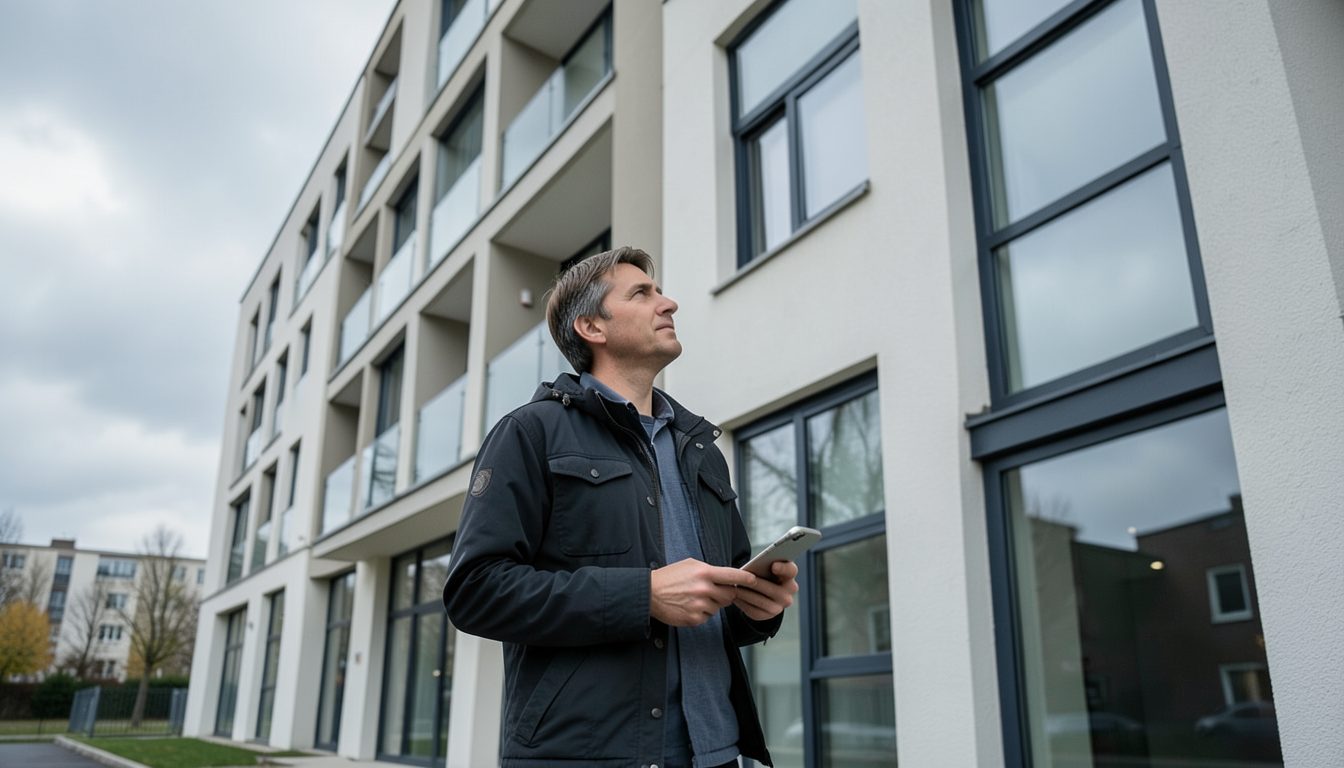
Rental scams usually follow the same pattern. A home is advertised at an attractive rent, the so-called landlord cannot show it in person, and there is pressure to pay a deposit quickly to secure it. By the time the renter realizes the listing was fake, the money is gone. The good news is that the warning signs are well known, and a few simple checks before you pay will protect you from most of them.
One sign alone is not proof, but two or three together should make you stop and check:
Scammers also tend to rush past normal steps, such as a proper application or a written lease, because every extra step gives you time to notice that something is wrong.
Scammers often copy photos and descriptions from genuine listings, sometimes from homes that are for sale rather than for rent. You can check:
Ask for the landlord's or agent's full name and, for an agency or management company, its business details. Many places have public property ownership records, so you can see whether the name matches the owner of the home. Licensed agents can often be looked up in an official register. A genuine landlord will usually be fine with these checks. Someone who becomes evasive or annoyed when you ask is giving you useful information.
The strongest protection is to view the home in person, or have someone you trust view it for you, before any money changes hands. During the viewing, make sure the person showing it can open the door with a key and knows the home well. If you cannot visit, ask for a live video call where they walk through each room and show the view from the windows and the street outside. Pre-recorded videos can be copied from real listings.
When you are ready to commit:
Rules on deposits, holding fees and application charges vary by location, so check your local rules if anything you are asked to pay seems unusual.
Stop all contact and do not send more money. If you have already paid, contact your bank or payment provider straight away, since some payments can be stopped or reversed if you act quickly. Report the listing to the website where you found it, and to your local police or consumer protection agency.
If you shared identity documents, watch your accounts closely and consider placing a fraud alert where that is available. Telling friends and local renter groups about the listing also helps others avoid the same trap.