
Welcome to Volnyn
Sign in or create an account to continue
Continue with Google
or
Sign in with email
New here? Create an account
By continuing, you agree to our Terms of Service
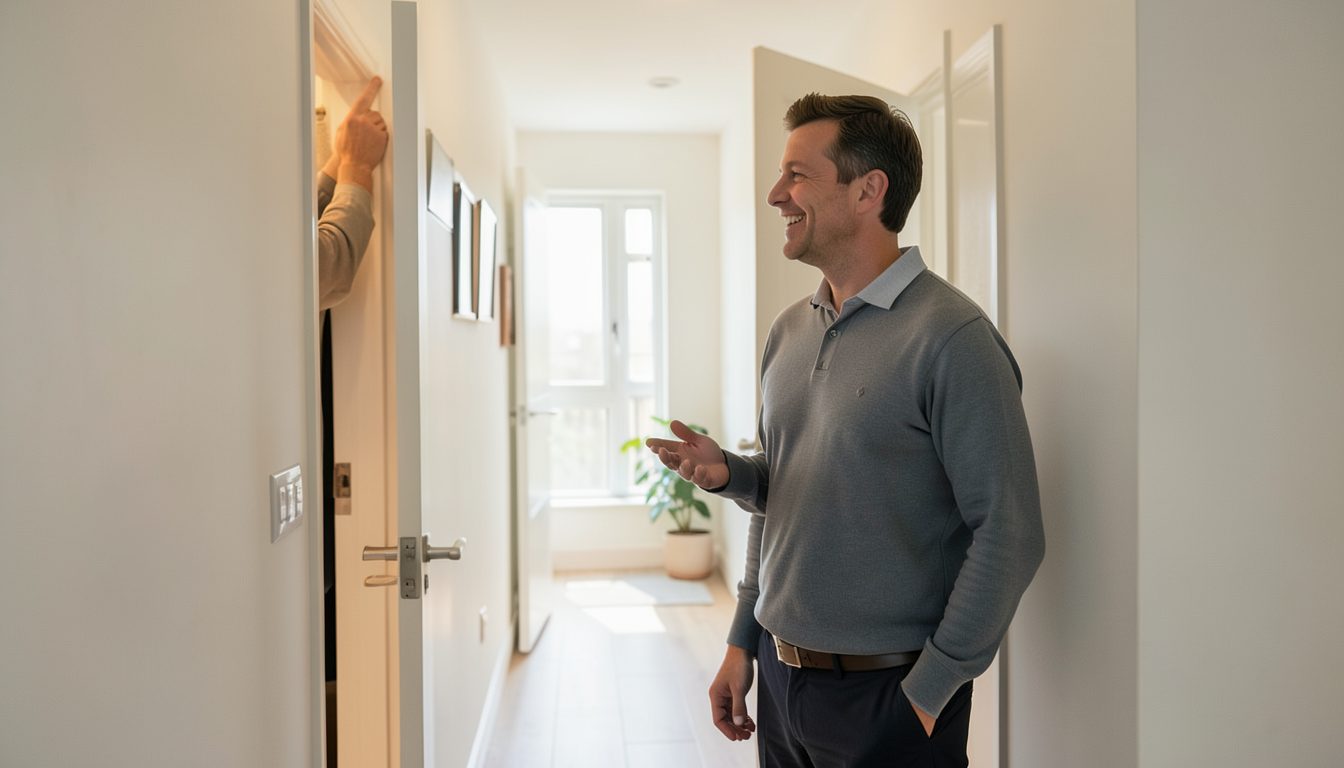
Most friction between landlords and tenants starts with communication rather than the issue itself. A tenant texts about a leak and hears nothing for two days. A notice goes out by email to someone who only reads texts. A repair update is promised and forgotten. None of this needs special software to fix. It needs a few decisions, written down and shared with every tenant.
Tenants will use whatever channel is easiest unless you tell them otherwise. Give each channel a job:
| Channel | Best for | Not for |
|---|---|---|
| Phone call | Emergencies and sensitive conversations | Anything you need a record of later |
| Text message | Quick updates, appointment confirmations, reminders | Formal notices and long explanations |
| Requests, documents, policy questions, anything that needs a paper trail | Urgent issues that need a fast reply | |
| Letter or posted notice | Formal or legally required notices | Day-to-day questions |
If a phone call covers something important, follow it with a short text or email summarizing what was agreed. That one habit prevents many "but you said" disputes.
Formal notices, such as notice of entry or a lease violation, often have specific delivery requirements. Check what counts as proper notice where your property is.
A promise you keep is better than a fast promise you break. Pick response targets that fit your schedule and share them:
A reply does not have to be the solution. "Got it, I am arranging a plumber and will confirm a time by tomorrow afternoon" counts. The tenant mostly wants to know that someone has seen the message and has a plan.
If you manage a few units yourself, you cannot answer every text at eleven at night. Tell tenants clearly what counts as an after-hours emergency and how to reach you for one. Everything else waits until the next business day. Put this in the welcome letter and on a card inside the unit, such as on the fridge or next to the electrical panel.
If someone covers for you when you travel, tell tenants ahead of time who it is and how to reach them.
Templates save time and keep your tone consistent. Most landlords send the same dozen messages again and again. A few worth writing once:
Fill in real dates and times rather than "soon" or "this week." An AI chat assistant, like the one in Volnyn, can draft a first set of templates for you to edit into your own voice.
For each unit, keep messages in one place, or at least note the date and a one-line summary of calls and texts in the unit file. If an issue escalates, you will want to show when it was reported, what you said, and what you did. Saving screenshots of important texts into the unit folder is a small habit that pays off.
Use the same channels, response times, and templates for everyone. Uneven treatment, even when unintentional, can look like favoritism or worse. Consistency is also easier on you, because there is less to remember.
Write a one-page communication guide covering which channel to use for what, your response targets, what counts as an emergency, and your after-hours contact. Send it to current tenants, include it in every move-in packet, and follow it yourself.