
Welcome to Volnyn
Sign in or create an account to continue
Continue with Google
or
Sign in with email
New here? Create an account
By continuing, you agree to our Terms of Service
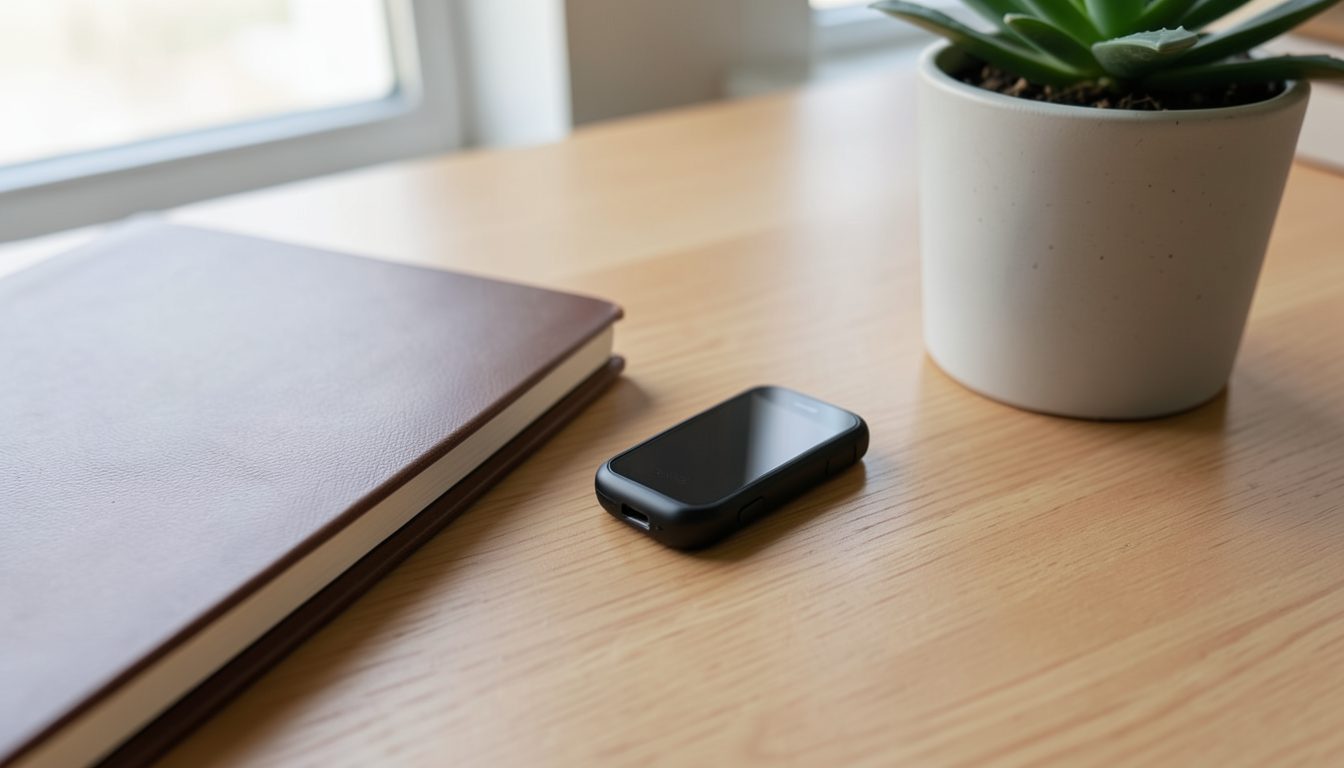
If you create, collect or sell NFTs, your wallet is the account that holds everything. There is usually no bank to call and no password reset if something goes wrong. That makes a few basic habits more important than any tool. This guide covers the essentials in plain language: what a wallet really is, how to protect your seed phrase, and how to set things up so one mistake does not cost you everything.
A crypto wallet does not store your NFTs the way a folder stores files. The tokens live on the blockchain. Your wallet holds the private key that proves you control a particular address and lets you sign transactions from it. Whoever has that key, or the seed phrase that can recreate it, effectively controls everything at that address.
The seed phrase, sometimes called a recovery phrase, is usually a list of 12 or 24 words generated when you create the wallet. It is the master backup. Lose it and you may lose access for good. Share it and you have handed over the account.
A hot wallet is software, such as a browser extension or phone app, where the key lives on an internet-connected device. It is convenient and reasonable for small amounts and everyday use. A hardware wallet is a small physical device that keeps the private key offline and requires you to confirm transactions on the device itself. Malware on your computer cannot simply copy the key out of it.
A hardware wallet is not magic. If you approve a malicious transaction on it, the device will still sign it. What it adds is a strong barrier against stolen keys and a moment of physical confirmation. Buy one only directly from the manufacturer or an authorized seller, and never use a device that arrives with a seed phrase already written out for you.
One of the most effective habits is to split your activity across more than one wallet:
| Wallet | Used for | Holds |
|---|---|---|
| Vault | Long-term storage only, rarely connects to anything | Your most important work and funds, ideally on a hardware wallet |
| Working wallet | Minting your own work and using trusted marketplaces | Only what you need for current activity |
| Test wallet | New sites, free claims and experiments | Almost nothing |
If the test wallet gets drained, you lose very little. The vault stays safe because it never signs anything on unfamiliar sites.