
Welcome to Volnyn
Sign in or create an account to continue
Continue with Google
or
Sign in with email
New here? Create an account
By continuing, you agree to our Terms of Service
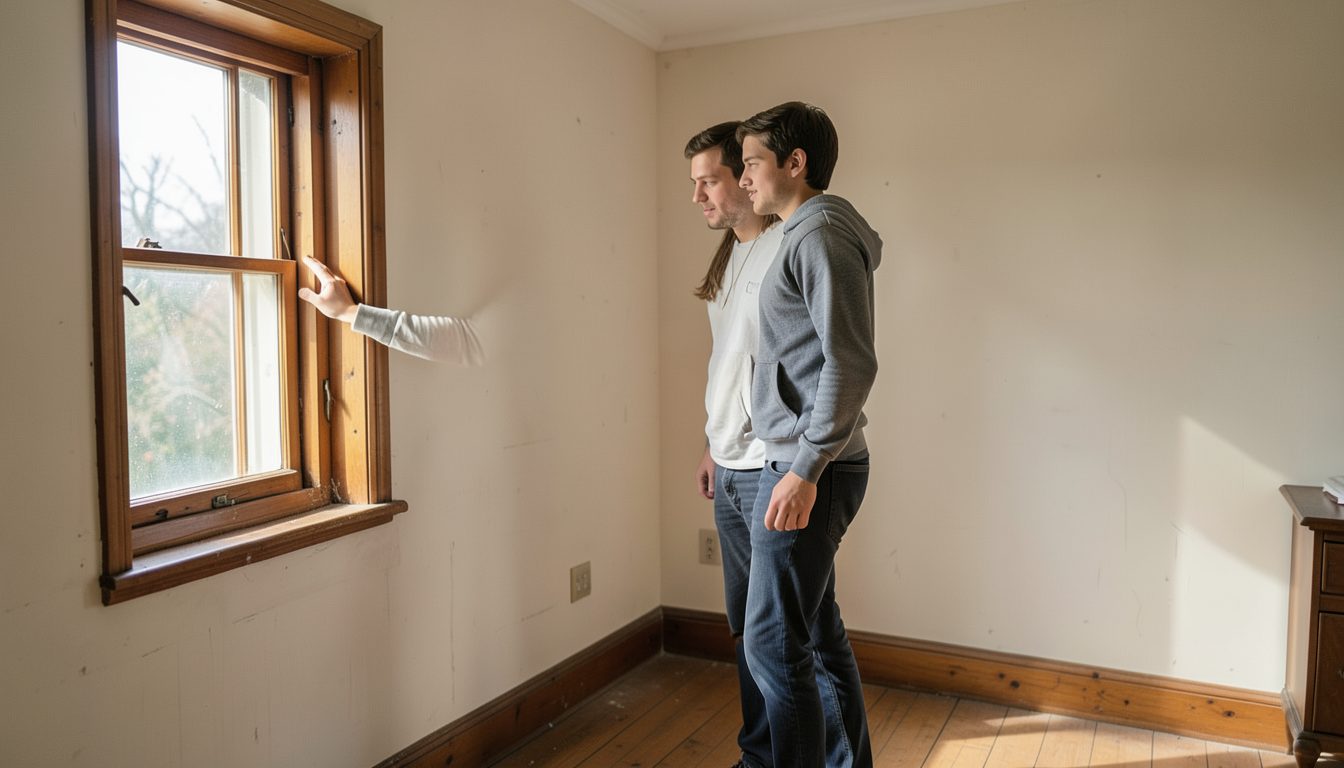
A viewing is short, and a well-presented home is designed to make you feel good in the first few minutes. That is fine, but a good feeling is not enough when you are about to make one of the biggest purchases of your life. Going in with a plan helps you spot problems early, ask better questions, and decide whether the home is worth a second visit and a professional inspection.
Read the listing again and note anything that seemed vague, such as the age of the roof or missing room sizes. Look at the street on a map so you know what is nearby. Then bring:
If you are viewing several homes in one day, leave enough time between them so you are not rushed, and photograph the front of each house first so your pictures stay in order later.
Furniture, fresh paint and scented candles can hide a lot. Walk through each room and look at the things the seller cannot easily change:
Some parts of a home are expensive to replace, so give them extra attention:
Walk around the property, not just through it. Look for drainage problems, large trees close to the house, and the state of fences and boundaries. Then step outside and listen. Is there road, rail or aircraft noise? Is parking easy? A home seen on a quiet weekday morning can feel very different on a weekend evening, so if you are serious, come back at another time or walk the street after dark.
Keep your questions direct and write down the answers:
Vague answers are not proof of a problem, but they tell you what to look into next.
After each viewing, spend five minutes writing down what you liked, what worried you, and anything you still need to check. Do it before you see the next home, because details blur quickly when you view several in a day.
If you are still interested, book a second viewing at a different time of day and bring someone who will notice different things. Before you commit, arrange a professional inspection or survey. Your own checks help you decide which homes are worth that cost, but they do not replace it.