
Welcome to Volnyn
Sign in or create an account to continue
Continue with Google
or
Sign in with email
New here? Create an account
By continuing, you agree to our Terms of Service
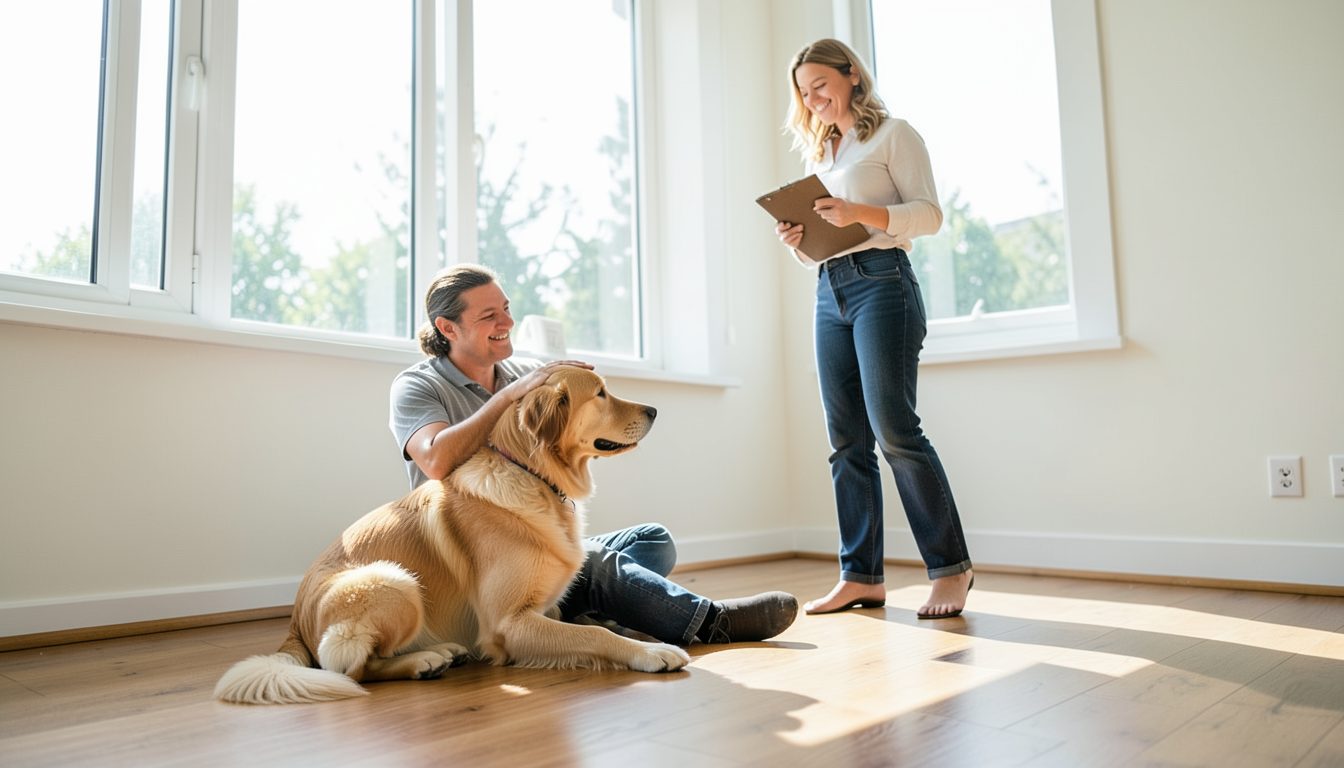
Many renters have pets, and a strict "no pets" rule shrinks your pool of applicants. But a pet policy that is vague or never enforced can mean scratched floors, stained carpet, and neighbor complaints. The goal is a written policy that is clear enough to enforce, fair enough to attract responsible pet owners, and consistent with the law where your property is.
Start with your property and your tolerance for risk. Things to decide:
Also check homeowners or condo association rules and any local pet regulations before you finalize anything.
In many places, assistance animals, including service animals and support animals for people with disabilities, are not treated as pets under fair housing law. That often means pet fees, pet rent, and breed or size limits may not apply to them, and you may be limited in what documentation you can ask for. Rules and definitions vary, so learn the requirements that apply to your properties and handle every request the same way. When in doubt, ask a local attorney or fair housing organization before you respond.
A short pet profile helps you make consistent decisions. Ask every applicant with a pet for:
Some landlords also like to meet the pet briefly. Apply the same criteria to every applicant so your decisions are fair and easy to explain.
Common approaches include a refundable pet deposit, a one-time non-refundable pet fee, monthly pet rent, or a combination. Each works differently:
Some places limit total deposits, prohibit non-refundable fees, or have other rules, so check before you choose. Whatever you pick, put it in writing and apply it the same way to everyone.
Put the details in a pet addendum signed along with the lease. It should name each approved animal and cover:
Some landlords also ask pet owners to carry renters insurance with liability coverage. If you want to require it, confirm that your local rules allow it.
Durable finishes make pet-friendly rentals much easier to maintain. Vinyl plank or tile holds up better than carpet, and semi-gloss or satin paint wipes clean more easily than flat paint. A fenced yard or a nearby relief area keeps waste problems down. These choices also help with ordinary wear from tenants without pets, so they tend to pay off either way.
Write your policy on one page: what is allowed, how pets are screened, which fees apply, the house rules, and how assistance animal requests are handled. Have it checked against local rules, add the pet addendum to your lease packet, and use the same process for every applicant.