
Welcome to Volnyn
Sign in or create an account to continue
Continue with Google
or
Sign in with email
New here? Create an account
By continuing, you agree to our Terms of Service
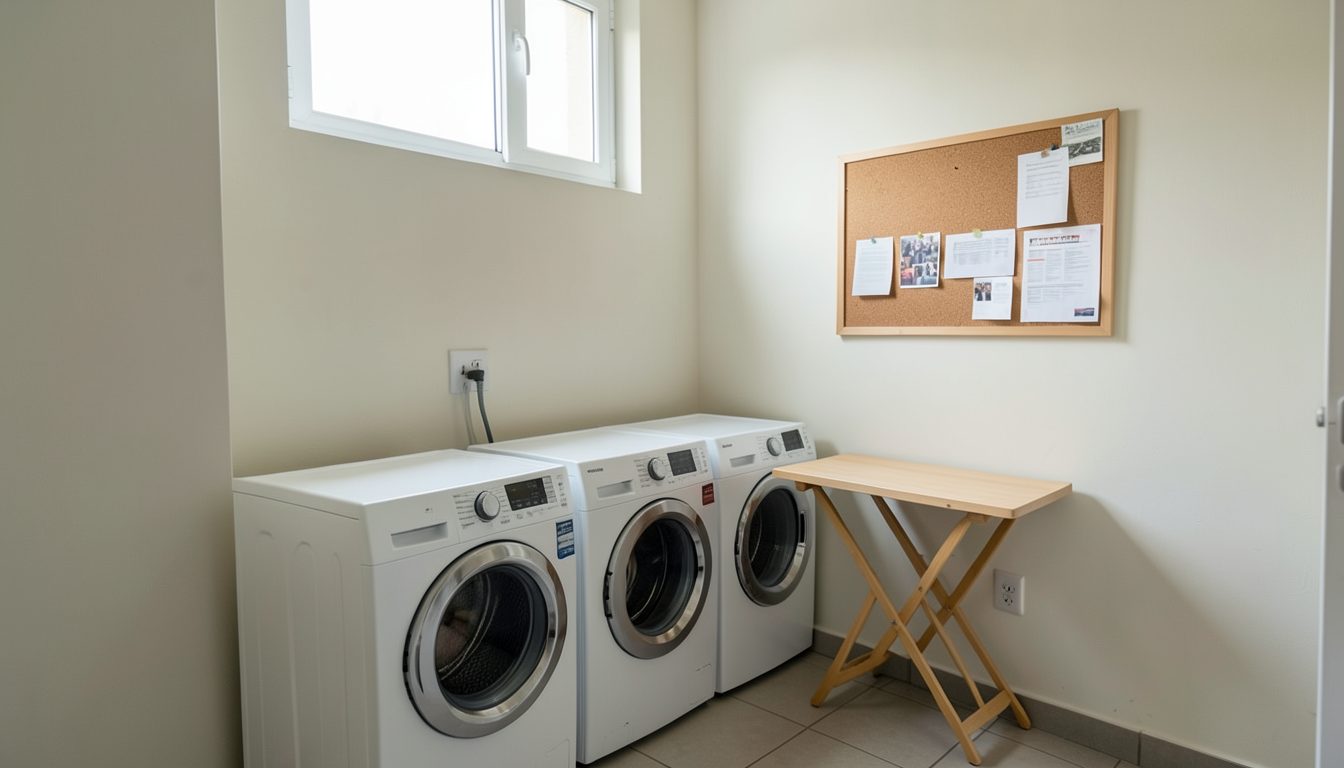
Most friction in a rental property is not about rent. It is about where people park, when the bins go out, who left laundry in the machine and whether a grill is allowed on the balcony. A lease covers the big legal terms, but it is a poor place to explain daily living. Clear house rules fill that gap. Written well, they prevent most small conflicts before they start and give you something fair and specific to point to when they do happen.
Do not try to write a rule for everything. Think about the questions tenants ask you and the complaints you receive, and write rules for those. Common topics include:
A single-family rental needs far fewer rules than a small building with shared spaces. Write for the property you actually have.
A vague rule is hard to follow and harder to enforce. Compare "keep noise reasonable" with "quiet hours are 10 p.m. to 7 a.m. every day". Or "do not leave trash out" with "bins go to the curb the evening before collection and come back in by the evening of collection day". Specific wording tells tenants exactly what to do and leaves little room for argument.
For each rule, ask whether a new tenant could follow it without asking you a question. If not, add the missing detail: the time, the place, the limit or the person to contact.
House rules must apply equally to every tenant and must not conflict with the lease or the law. Avoid rules that single out families with children, people with disabilities or any other group, and be ready to make reasonable accommodations when a tenant asks. Some places also limit how far rules can restrict guests, decorations or the use of common areas. Check your local rules, and have a local attorney or landlord association review your draft if you are unsure.
Every rule should have a clear reason, such as safety, protecting the building or respecting neighbors. If you cannot explain why a rule exists, leave it out. Short lists of sensible rules get followed; long lists of petty ones get ignored.
For house rules to carry weight, tenants need to receive and accept them. Many landlords attach the rules as an addendum that the lease refers to, and ask each tenant to sign or initial it. Give every tenant a copy and keep the signed version in the tenancy file.
If you want to change the rules later, check what your lease and local rules allow. A change during a fixed-term lease may need the tenant's agreement or may only take effect at renewal. Give written notice of any change, explain the reason and allow time before it applies.
Rules nobody reads do not prevent anything. Keep the document to one or two pages with short headings, so a tenant can find the trash section in seconds. Post the most relevant rules where they apply, such as laundry hours in the laundry room and parking rules near the lot. Include a copy in the move-in packet and send it again whenever something changes.
The quickest way to make rules meaningless is to enforce them for one tenant and ignore them for another. When someone breaks a rule, start with a friendly reminder that quotes the rule. Note the date and what happened. If it continues, move to a written notice through your normal process. Treat every tenant the same way, and your house rules will do most of the work for you.