
Welcome to Volnyn
Sign in or create an account to continue
Continue with Google
or
Sign in with email
New here? Create an account
By continuing, you agree to our Terms of Service
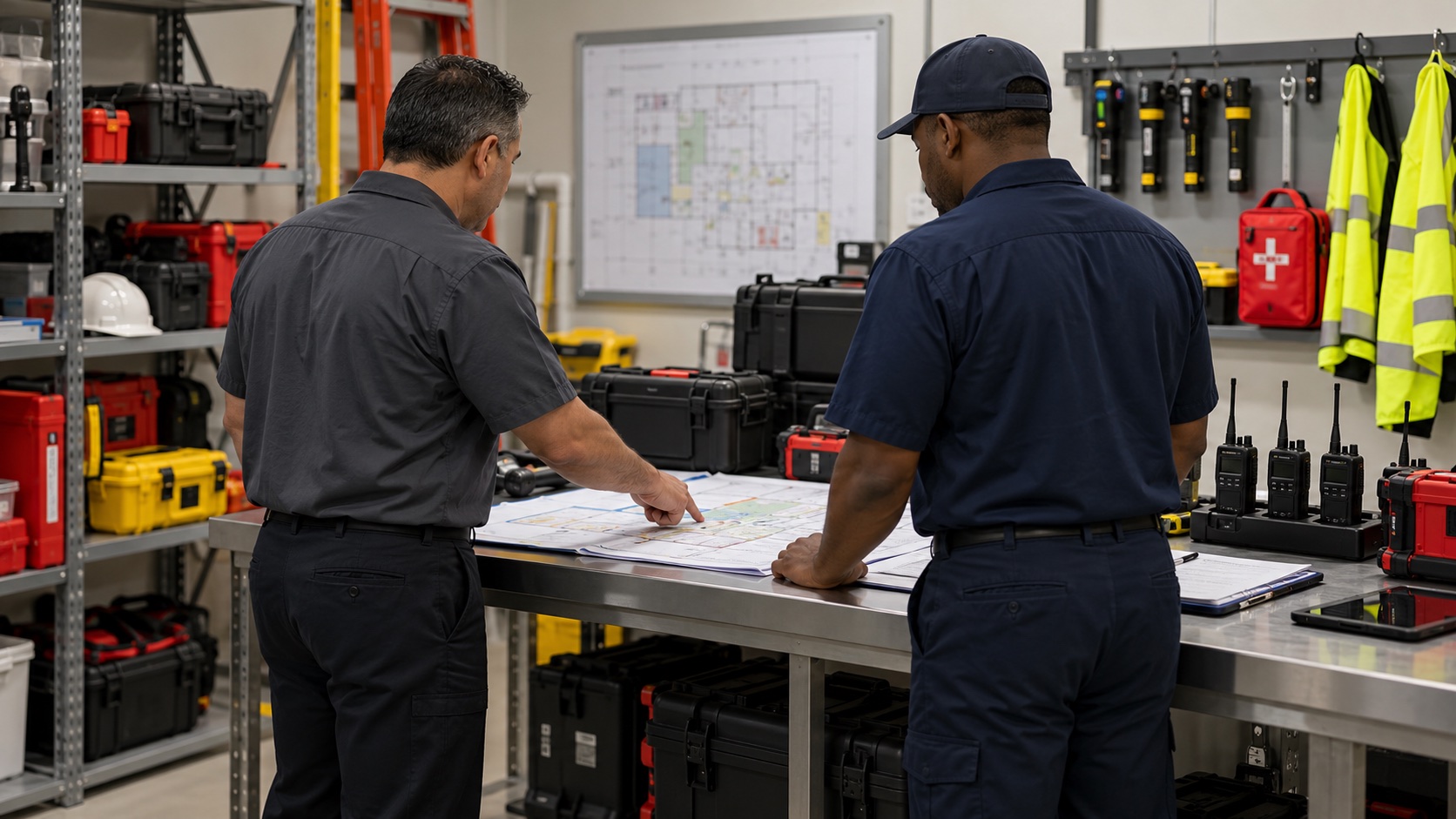
An emergency plan must work at 2 a.m. when the regular manager is unavailable and the person receiving the call has incomplete information. That requires written definitions, current contacts, clear authority, and rehearsed handoffs.
Give residents and staff examples that match the property and local requirements: active flooding, fire or smoke, suspected gas leaks, loss of essential building services, unsecured entry after damage, or conditions presenting immediate danger. Explain which situations require emergency services before contacting management.
List the on-call role, backup contact, property leader, ownership notification threshold, insurance contact, and approved vendors. State who can authorize emergency spending and the limit before additional approval is required.
Maintain primary and backup contacts for plumbing, electrical, HVAC, restoration, security, locksmith, elevator, fire systems, and other property-specific needs. Confirm after-hours coverage instead of assuming the daytime number will answer.
Send concise instructions: what happened, what residents should do, what they should avoid, and when the next update will arrive. Do not speculate about causes. Keep a timestamped log of calls, messages, access, vendor arrival, decisions, and photos.
After the immediate risk is controlled, document the root cause, response times, communication gaps, follow-up repairs, and preventive action. Update the plan while the details are fresh.
A calm response is usually the result of preparation completed long before the emergency.