
Welcome to Volnyn
Sign in or create an account to continue
Continue with Google
or
Sign in with email
New here? Create an account
By continuing, you agree to our Terms of Service
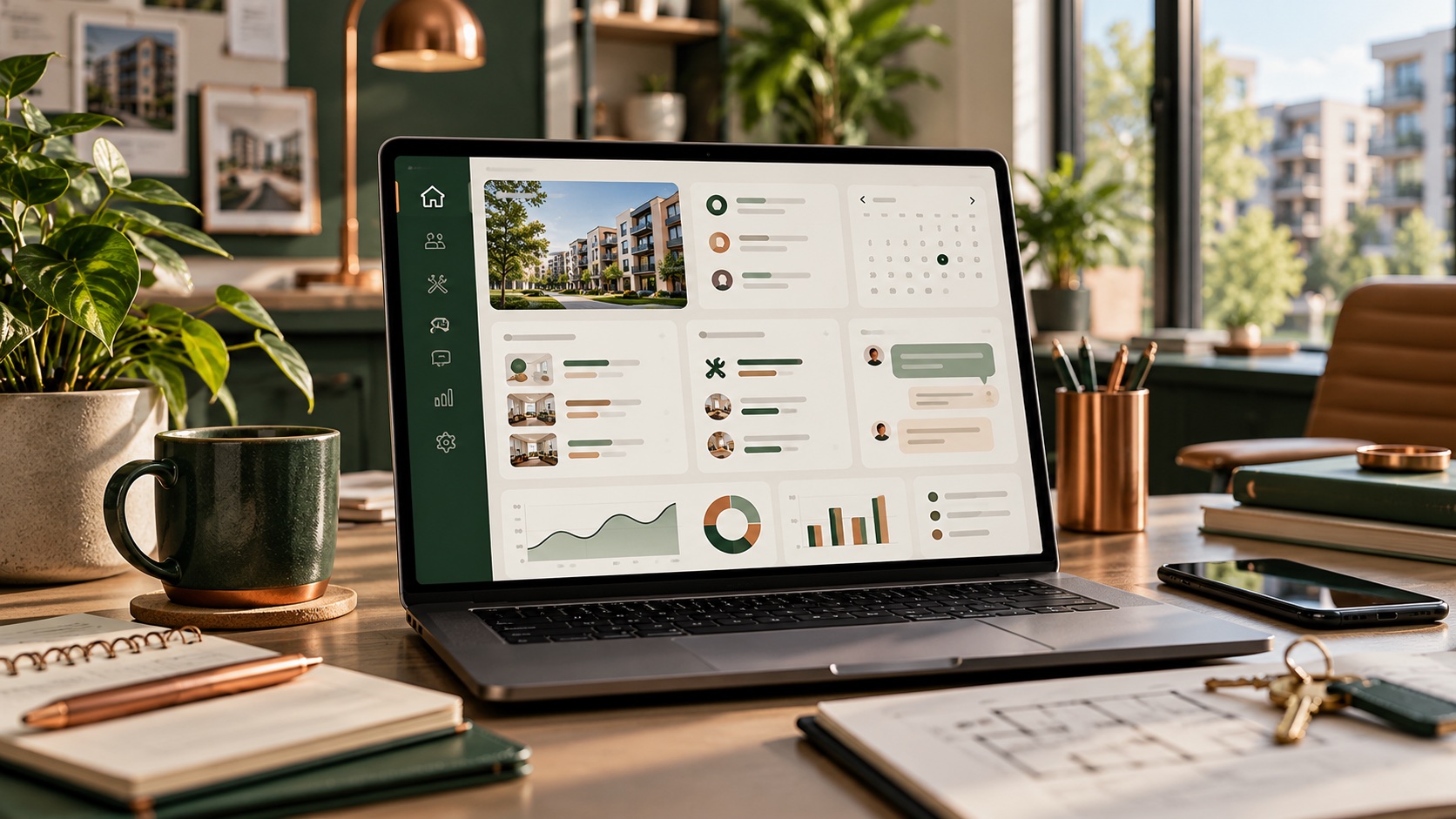
Automation should remove repetitive coordination, not hide important decisions. The best first workflows have clear triggers, predictable actions, and an obvious moment when a person should take over.
Confirm that a leasing inquiry arrived, capture the prospect’s preferred move date and home type, and offer current tour options. Route unusual questions to a leasing specialist instead of guessing.
Send directions and access instructions before a tour, then a short follow-up afterward with the relevant floor plan, fees, and application link. Stop the sequence as soon as the prospect replies.
Notify applicants about missing items without exposing sensitive information in email or text. Escalate incomplete applications after a defined period for human review.
Collect unit, location, permission-to-enter, photos, and urgency indicators. Safety issues should route immediately according to the emergency plan; routine requests can enter the normal queue with a confirmation.
Tell residents when a request is assigned, scheduled, delayed, or completed. Automation is especially useful for consistent updates while technicians focus on the work.
Create internal review tasks, approval reminders, resident notices, and follow-up dates from the lease-end date. Keep pricing and final terms subject to authorized approval.
Compile weekly leasing activity, aging work orders, delinquency categories, and upcoming expirations into one operating summary. Link every number back to its source so managers can investigate.
Define who owns the workflow, what data it may use, where every action is logged, and which exceptions pause automation. Test with internal records before involving residents, then review failures and opt-outs regularly.
Start with one workflow, prove that it saves time without reducing service quality, and only then expand.