
Welcome to Volnyn
Sign in or create an account to continue
Continue with Google
or
Sign in with email
New here? Create an account
By continuing, you agree to our Terms of Service
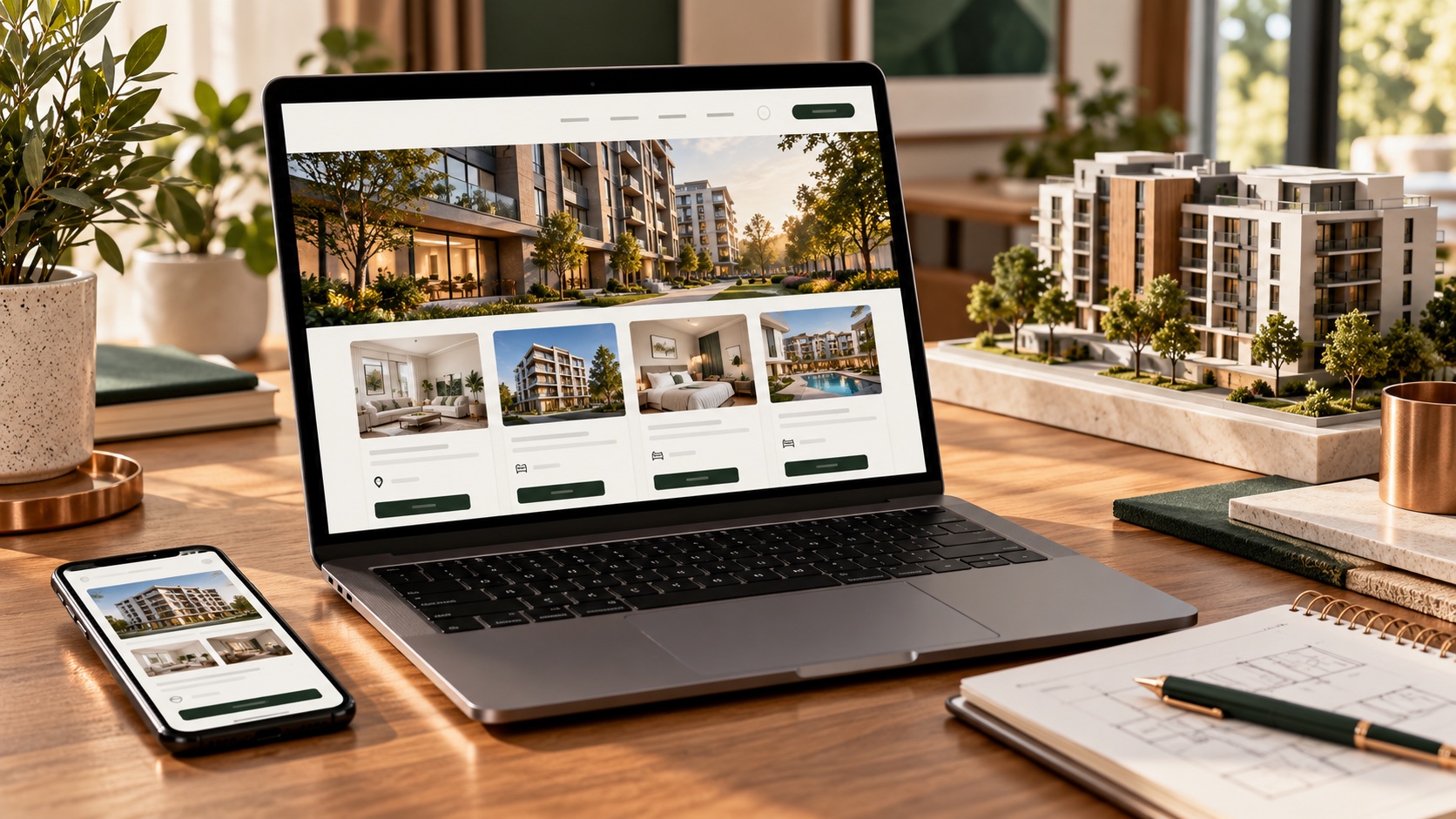
A property-management website has more than one audience. Prospective residents want availability and a fast path to a tour. Current residents want reliable service links. Owners want evidence that the team can protect the asset and communicate clearly.
Trying to serve all three with one generic home-page message usually serves none of them well.
Include current images, floor plans, pricing or a truthful range, required recurring fees, availability dates, pet and parking details, accessibility information, and a clear call to action. Remove unavailable homes promptly or label their expected timing accurately.
Show the neighborhoods served, real office contact information, team responsibilities, and practical local expertise. Avoid unsupported superlatives and invented statistics. Specific explanations of process are more credible than claiming to be “the leading” company.
Phone, directions, property search, tour scheduling, and service requests should work without zooming or hunting through menus. Compress images, use readable type, and test forms on an actual phone.
Track which pages and sources produce completed tours, applications, resident self-service, and owner consultations—not only form submissions. Review failed searches, abandoned forms, and repeated support questions for missing content.
Use HTTPS, keep contact and availability data current, provide accessible labels and keyboard navigation, publish privacy information, and test every important form regularly.
The best property-management website does not merely look established. It helps each visitor complete the right next step with less uncertainty.